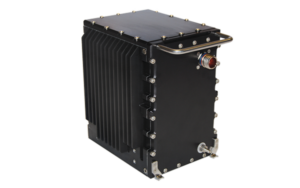
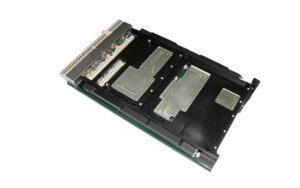
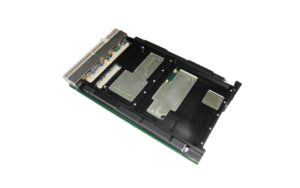
S-A2300 Radiation Tolerant COTS AI Supercomputer
Aitech Systems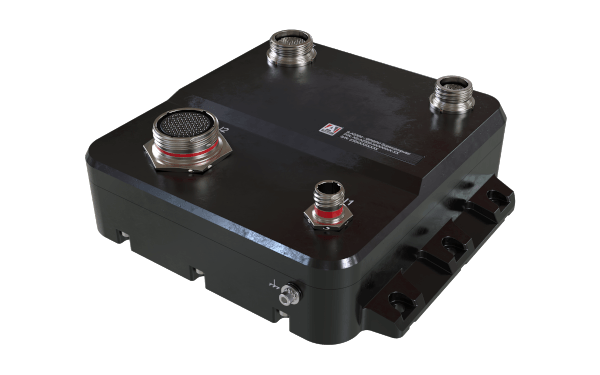
The S-A2300 is a radiation-tolerant small form factor AI supercomputer based on the NVIDIA Jetson AGX Orin Industrial SoM with 2048 CUDA Ampere cores, 248 TOPS AI performance, and 64 GB LPDDR5 ECC memory, designed specifically for LEO missions requiring real-time AI inference on orbit.
Technical specifications
- SoM
- NVIDIA Jetson AGX Orin Industrial
- AI Performance
- 248 TOPS
- CUDA Cores
- 2048 (Ampere Architecture)
- Tensor Cores
- 64
- CPU
- 12-core ARM v8.2 64-bit
- Memory
- 64 GB LPDDR5 with ECC
- Storage
- NVMe SSD + Micro SD
- FPGA I/O
- 4× LVTTL, 4× GPIO (1.8V), 1× RS-232/422 UART, 4× LVDS in / 4× LVDS out (1.25 GHz)
- External I/O
- Gigabit Ethernet, DVI/HDMI, discrete signals, UART, USB
- Total Ionizing Dose
- 20 krad (Si)
- SEL
- No destructive SEL (1E+10 proton/cm², 40–200 MeV)
- Form Factor
- Small Form Factor (SFF)
- Cooling
- Cold plate
- Software
- CUDA, OpenGL, OpenGL ES, Vulkan
About
The S-A2300 is Aitech’s groundbreaking radiation-tolerant COTS AI supercomputer, designed specifically for Low Earth Orbit missions where on-board AI processing replaces costly data downlink and ground-based analysis. At its core is the NVIDIA Jetson AGX Orin Industrial System-on-Module, delivering 248 TOPS of AI performance from 2048 Ampere CUDA cores, 64 Tensor cores, and a 12-core ARM v8.2 64-bit CPU cluster.
The system provides 64 GB of LPDDR5 memory with ECC, NVMe SSD storage, and Micro SD card support. An onboard FPGA expands connectivity with four LVTTL I/O signals, four GPIO interfaces (1.8V), one RS-232/422 UART, JTAG programming support, and four LVDS inputs and four LVDS outputs at up to 1.25 GHz. External interfaces include Gigabit Ethernet, DVI/HDMI video output, discrete signals, UART serial, and USB.
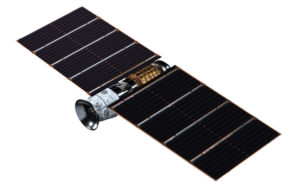
Radiation characterization includes a total ionizing dose of 20 krad (Si) and proton fluence testing at 1E+10 proton/cm² at 40–200 MeV with no destructive single-event latch-up. The ruggedized small form factor design uses cold-plate cooling and is suited for real-time image processing, autonomous navigation, climate monitoring, and space debris tracking applications aboard LEO satellites.
Documentation
No public datasheet yet — request the datasheet / ICD from the supplier.