RadShield — Radiation Shielding Technology
 TakeMe2Space
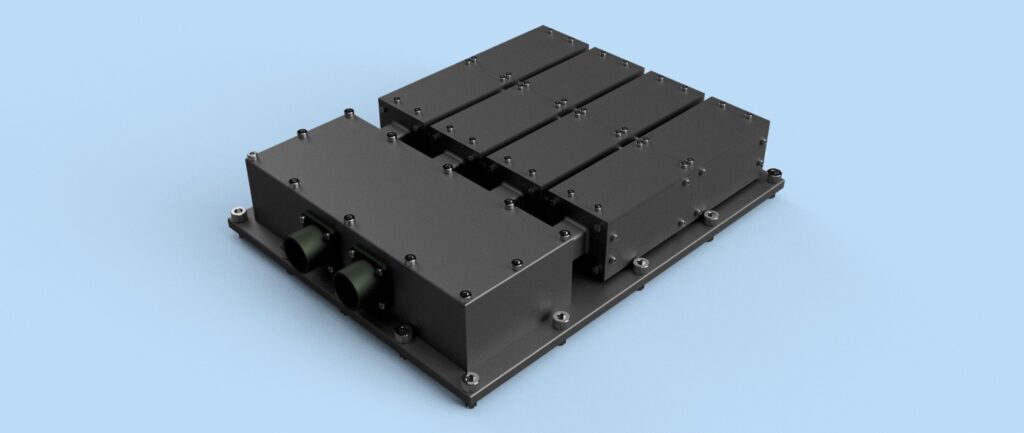
Flight-validated tantalum-tape radiation shielding reducing TID up to 10x, enabling terrestrial-grade electronics for 5+ year LEO missions. Flown on PSLV C-58 (January 2024).
Technical specifications
- Substrate material
- 2mm thick Aluminium AL 6061
- Coating material
- Tantalum (Ta) tape
- Coating thicknesses tested
- 4, 50, and 100 microns
- TID reduction
- Up to 10x vs. unshielded components
- Extended component life
- 5+ years in LEO (vs. months uncoated)
- Orbit altitude
- 350km
- Orbit inclination
- 9.6°
- Launch vehicle
- ISRO PSLV C-58, January 2024
- Module housing units
- 5
- TID measurement interval
- Every 500 seconds
- Dosimeter
- RadSens v2 compact dosimeter
- Microcontroller
- STM32 with RS485 interface
- Vibration test loads
- 5g-50g shock
- EMI/EMC standard
- MIL-E
- Thermal-vac temperature range
- -25°C to +65°C
- Thermal-vac pressure
- 0.00001 mBar
- TRL
- 9 (flight-proven)
About
RadShield is TakeMe2Space’s flight-validated radiation shielding technology, first demonstrated on orbit via the Radiation Shielding Experiment Module (RSEM) flown on ISRO PSLV C-58 in January 2024 at 350km altitude. It consists of a tantalum-tape coating applied to aluminium substrates that enables satellite builders to use non-radiation-hardened, terrestrial-grade electronic components in LEO — dramatically reducing development cost and timeline.
The RSEM experiment used five housing units with tantalum-coated aluminium plates and dosimeters measuring TID every 500 seconds. The technology survived vibration testing (5g-50g shock), EMI/EMC testing to MIL-E standards, and thermovac cycling with no outgassing or coating degradation, and demonstrated effectiveness during multiple C-class and X-class solar flares while on orbit. Commercially deployed in the MoI satellites, RadShield delivers up to 10x TID reduction and extends component life from months to 5+ years in LEO.
Documentation
No public datasheet yet — request the datasheet / ICD from the supplier.