
Surrey Satellite Technology Limited

United Kingdom Verified
10 Products
41 Years Active
Visit website ↗
This profile was created from public sources. Is this your company? — update products, receive requests directly.

About Surrey Satellite Technology Limited

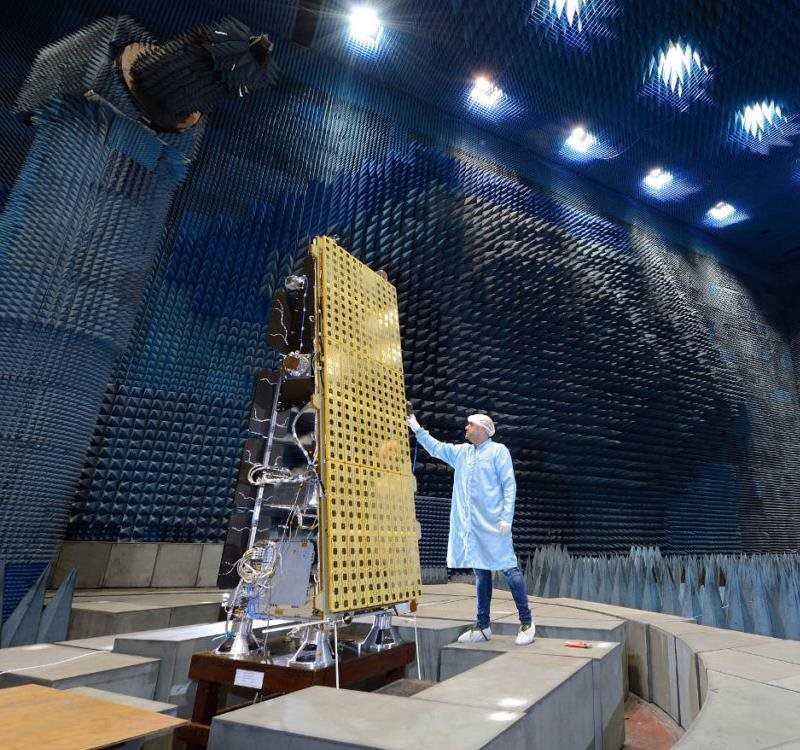
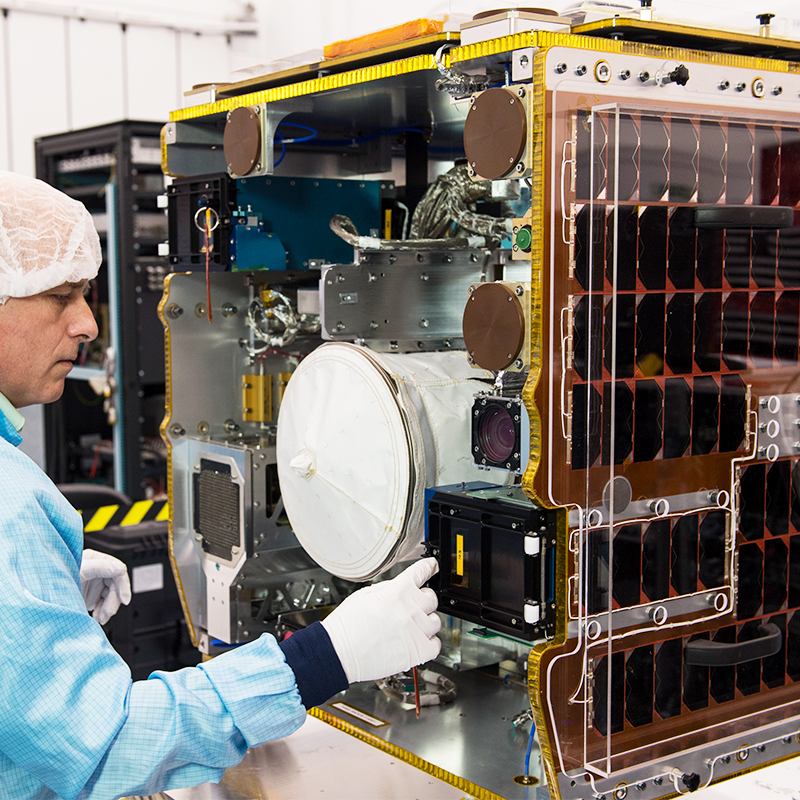
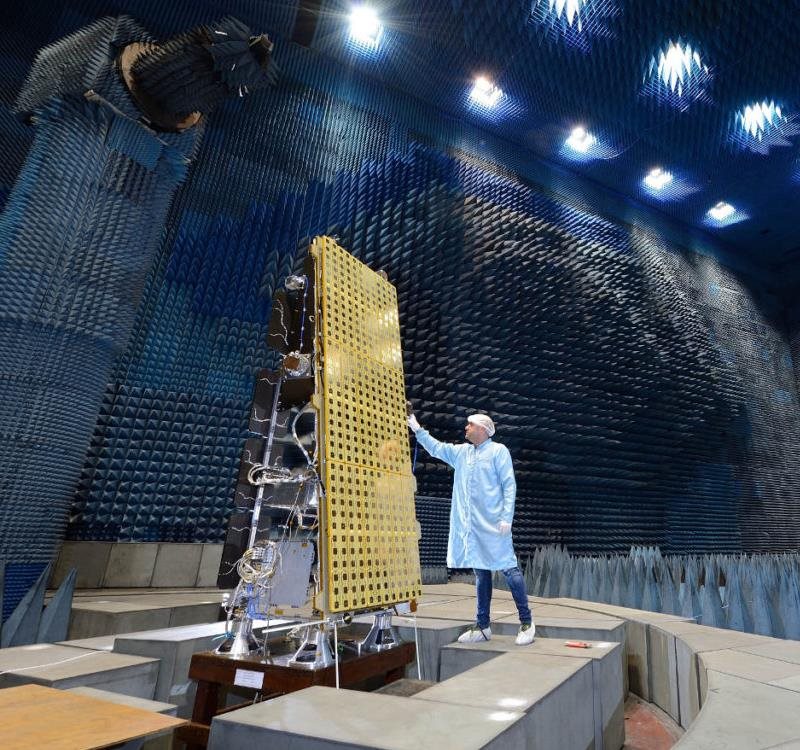
Surrey Satellite Technology Ltd (SSTL) emerged from research led by Professor (now Sir) Martin Sweeting at the University of Surrey, which produced UoSat-1 — the first modern reprogrammable small satellite — launched in 1981. SSTL was formally established in 1985 to commercialize this research, becoming the pioneer of the modern commercial small-satellite industry. The company is headquartered at Tycho House, Surrey Research Park, Guildford, and operates a second Guildford site (the Kepler Building) with cleanrooms and an AIT hall (3,700 sqm, with a 125 cubic-metre thermal chamber and cranes up to 15,000 kg), plus a composites and mechanisms manufacturing facility in Bordon, Hampshire.

Over more than 40 years, SSTL has designed, built and launched approximately 70 satellites for 22 countries, with notable firsts including the first modular 50 kg microsatellite (1990), the first UK cubesat in orbit (STRaND-1, 2013), and the first in-orbit space-debris capture demonstration (RemoveDEBRIS, 2018). In 2009 Airbus acquired majority shareholding, making SSTL a wholly owned Airbus subsidiary while it continues to operate under its own brand.

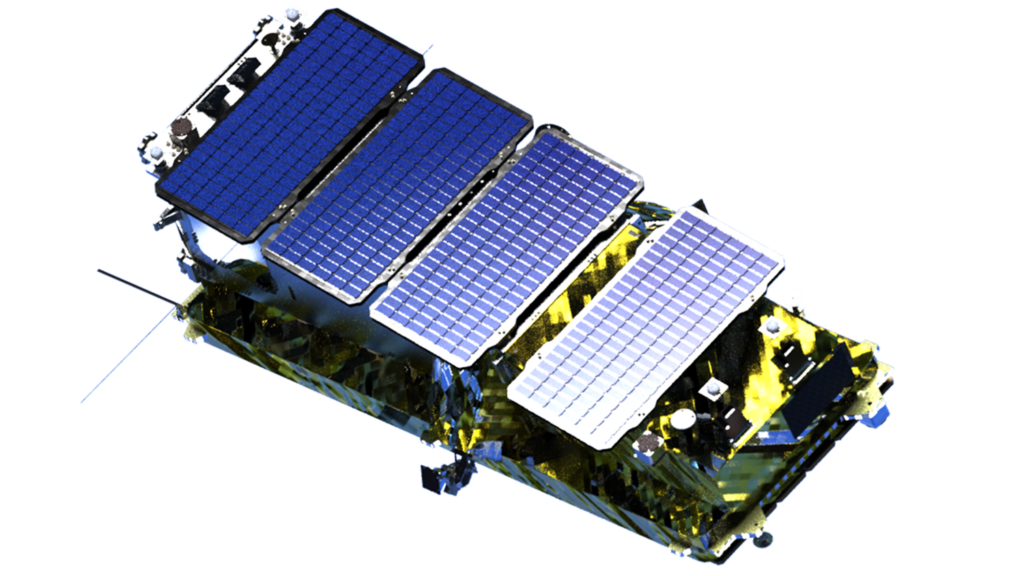
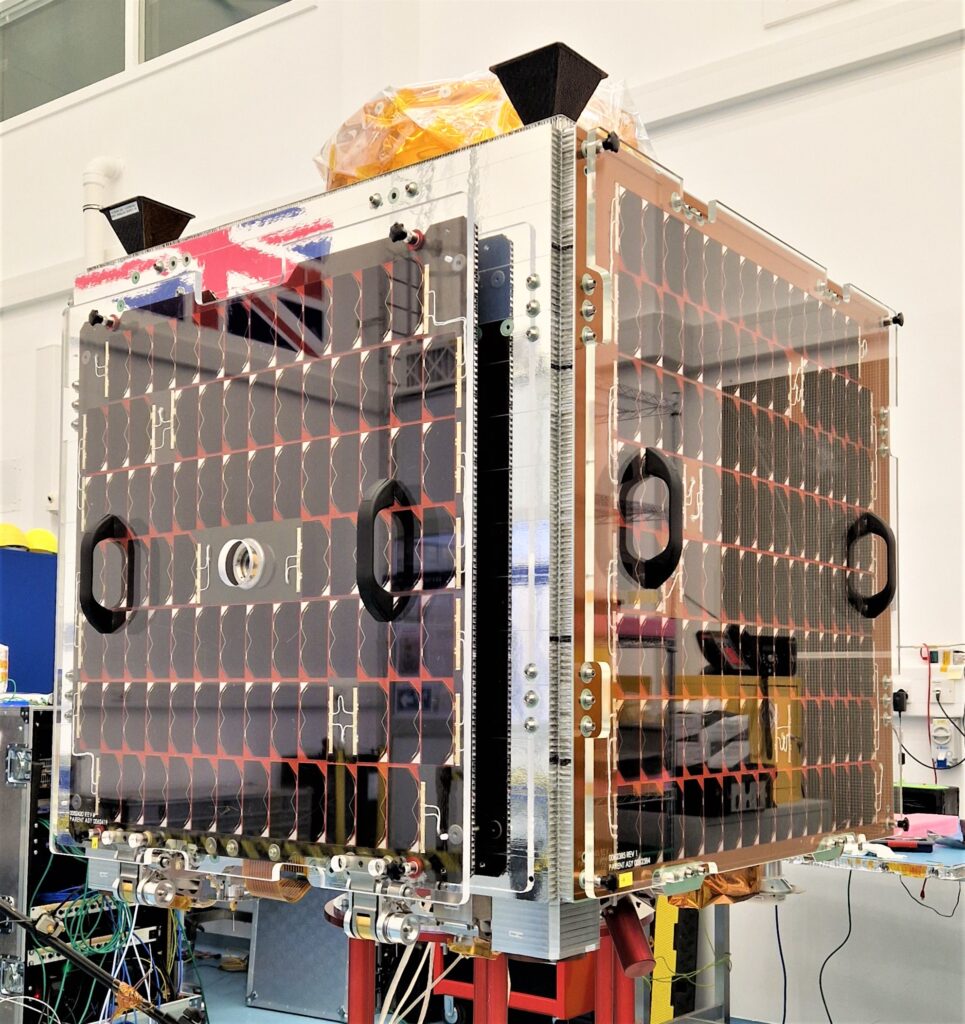
SSTL's business spans satellite platforms (SSTL-CUBE, SSTL-MICRO, SSTL-MINI), Earth observation spacecraft (Carbonite, TrueColour, Precision, CarbSAR, DarkCarb, NovaSAR), navigation/GNSS-R payloads and receivers, lunar mission services (Lunar Pathfinder, ESA Moonlight), subsystems (GNSS receivers, reaction wheels, antenna pointing mechanisms), space services (ground segment, satellite operations, launch campaign management), and customer training programmes.

Milestones

  • 1981 UoSat-1, first modern reprogrammable small satellite, launched
  • 1985 SSTL founded to commercialize small-satellite research
  • 1990 First modular 50 kg microsatellite
  • 2009 Airbus becomes majority shareholder
  • 2013 STRaND-1, first UK cubesat in orbit
  • 2018 RemoveDEBRIS demonstrates first in-orbit debris capture; NovaSAR launched

Products

10

S/X-band ground station network and mission-control software for satellite operations.

1 4

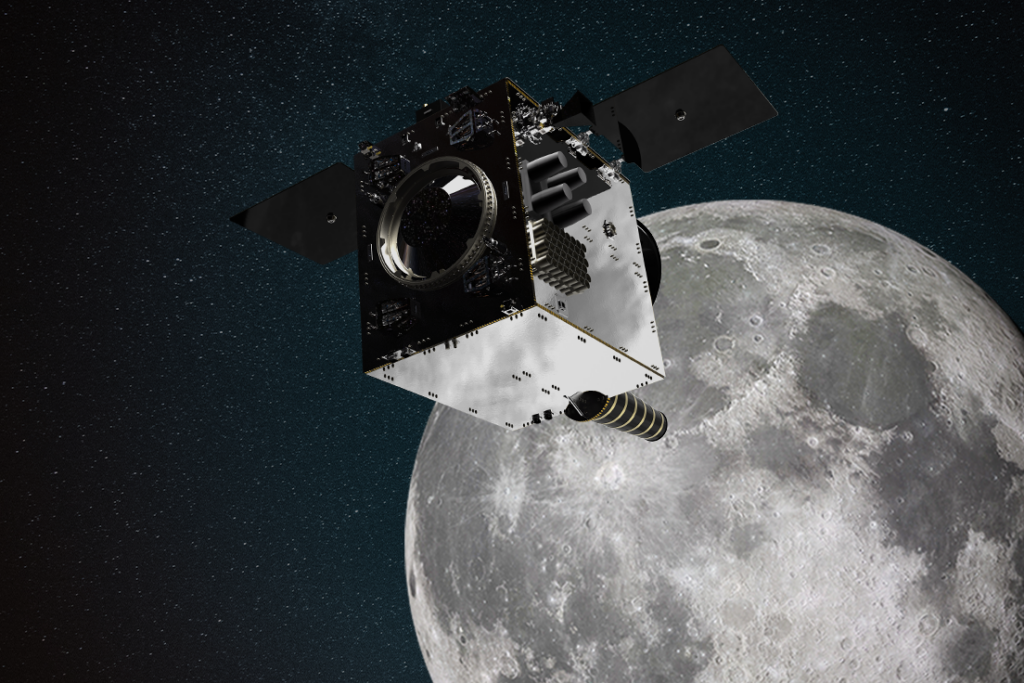
Lunar communications and navigation relay spacecraft, part of ESA's Moonlight programme, launching 2027.

1 7
TRL 9 · Flight-proven

S-band synthetic aperture radar payload flown on NovaSAR-1 (launched 2018), with six imaging modes and an integrated AIS receiver.

2 14
TRL 9 · Flight-proven

24-channel multi-constellation space GNSS receiver, in orbit on 4 satellites since 2018.

1 14

Compact, low-power PC-104 footprint space GNSS receiver, 24 channels, under 0.5W.

1 9
TRL 9 · Flight-proven

Reaction wheel for GEO platforms, 12Nms momentum, flown on Eutelsat Quantum (2021).

1 10

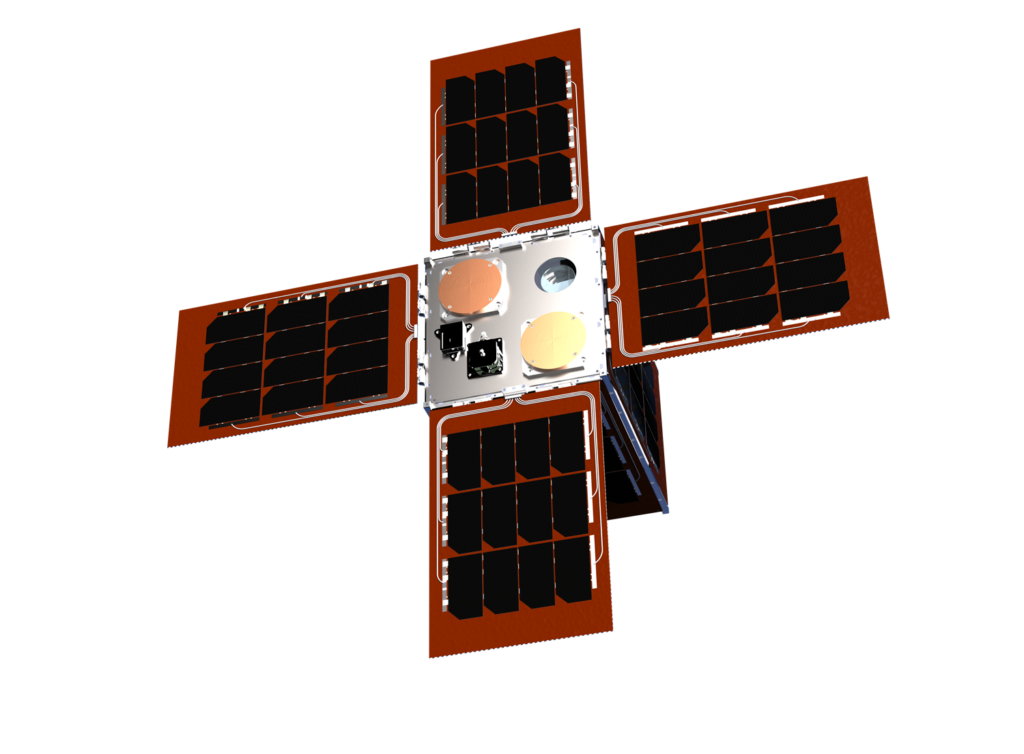
Entry-level 12U cubesat-standard platform for training missions.

1 3

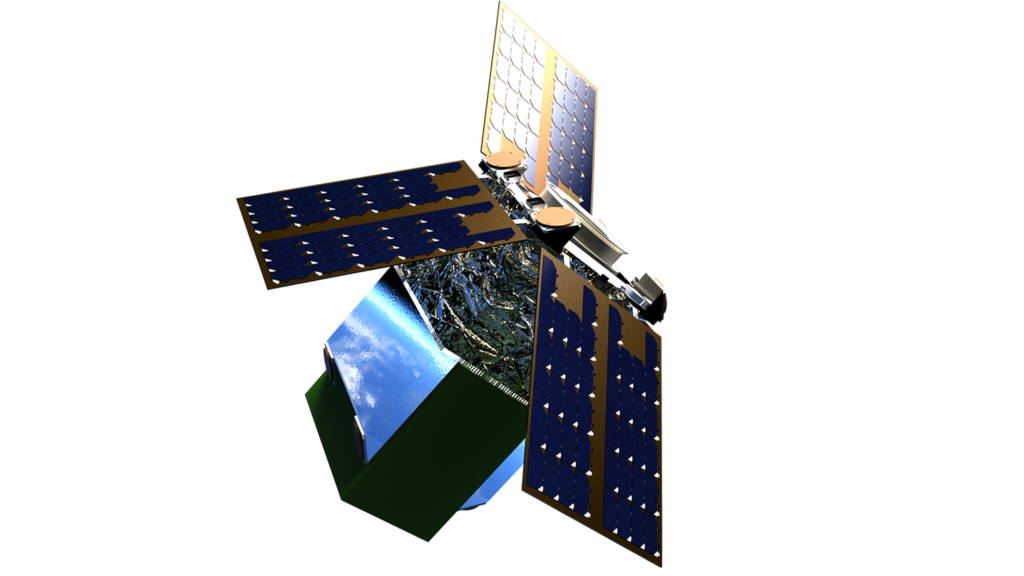
Microsatellite platform, ~30kg+ payload capacity, dual-redundant avionics and AOCS, 7-year design life.

1 10
TRL 9 · Flight-proven

LEO minisatellite platform, up to 200kg payload and 1Gbps X-band downlink, flown on DMC3, NovaSAR, S1-4 and FORMOSAT-7.

1 8
TRL 9 · Flight-proven

LEO reaction wheel, 1.5Nms momentum, 40+ flight units in orbit since 2014.

1 9

Documents

3

Reviews

No reviews yet — reviews come only from verified buyers after a completed request.

Write a review

0 / 2000
← All providers