TY34 (SUSTech-1) Space Science Microsatellite
 Spacety
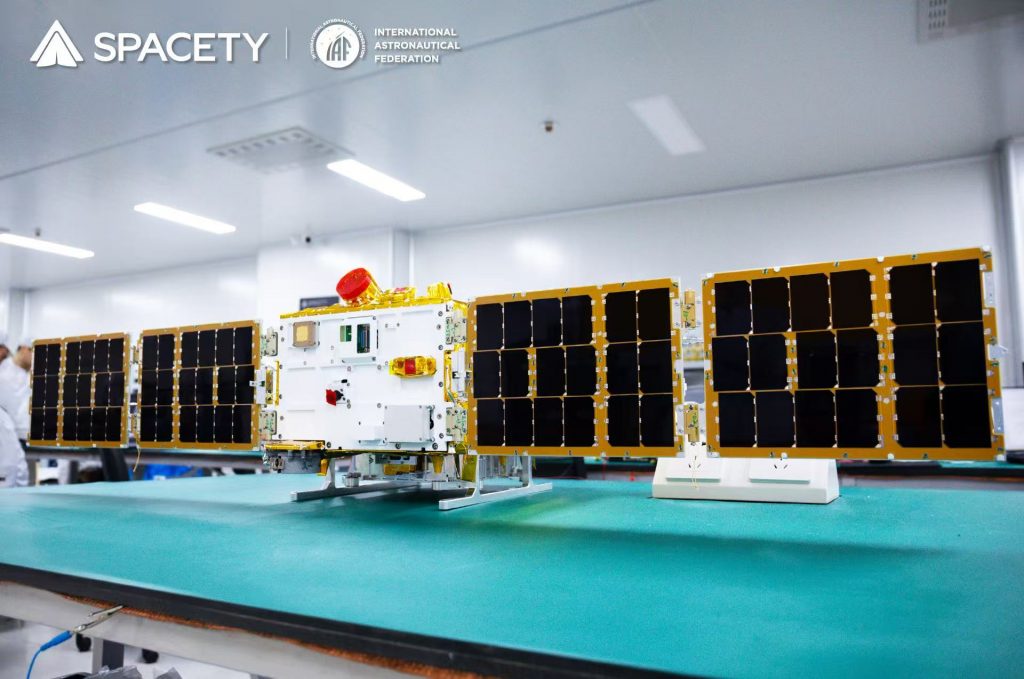
Microsatellite platform hosting a 12 m ultra-long electric-field antenna and aurora camera for magnetosphere and space-weather research.
Technical specifications
- Electric-field antenna length
- up to 12 m (world-record length for a microsatellite)
- Aurora observation duration
- 9 minutes of continuous observation per polar pass
- Payloads
- Electric-field measurement payload, aurora camera, Tiange gamma-ray burst detector, CXPD X-ray polarimeter, IP-based ground-link terminal, thermoelectric conversion verification unit
- Lead institution
- Southern University of Science and Technology (SUSTech)
- Launch vehicle
- Zhuque-2A (ZQ-2A), Dongfeng Commercial Aerospace Innovation Test Zone
About
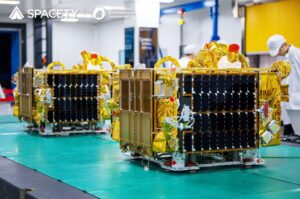
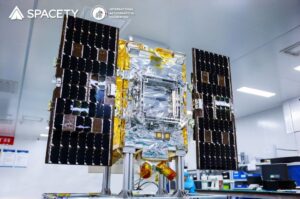
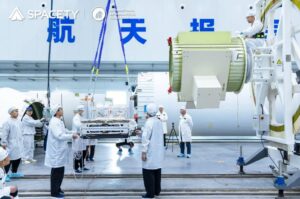
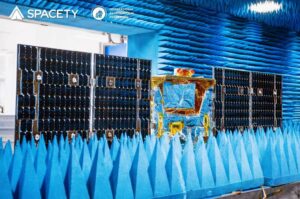
TY34 (SUSTech-1), launched 17 May 2025 on Zhuque-2A, is the first space science microsatellite of the Southern University of Science and Technology (SUSTech), built by Spacety. It carries a self-developed space electric-field measurement payload and aurora camera, plus the Tiange gamma-ray burst detector payload, Guangxi University’s CXPD X-ray polarimeter payload, Spacety’s self-developed IP-based ground-link terminal, and a thermoelectric conversion verification unit. The electric-field payload uses an antenna to detect time-varying electric fields in space plasma for monitoring Earth’s magnetosphere and ionosphere, marking the world’s first deployment of an ultra-long (up to 12 m) electric-field antenna on a microsatellite platform — a new record for electric-field antenna length on microsatellites. The aurora camera, China’s first microsatellite-based optical aurora observation payload, achieves 9 minutes of continuous observation per polar pass through precise orbital design, capturing auroral morphology data to study solar wind-magnetosphere coupling and improve space-weather forecasting.
Documentation
No public datasheet yet — request the datasheet / ICD from the supplier.