Space Radiation Tolerant DDR2 SDRAM
3D Plus (HEICO)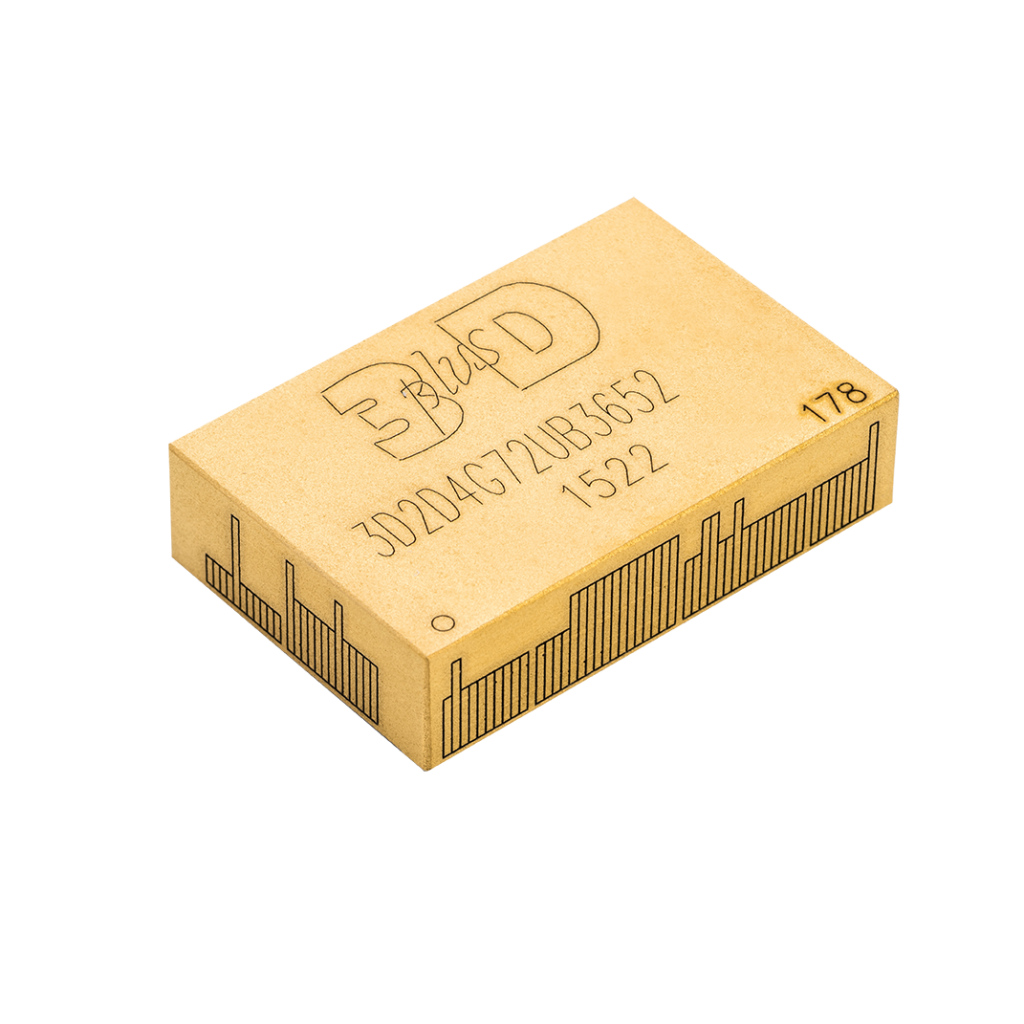
Radiation-tolerant DDR2 SDRAM for space with densities from 1 Gb to 8 Gb at up to 667 MT/s on 1.8V. Features embedded decoupling capacitors and has flight heritage on the Mars 2020 Perseverance Rover.
Technical specifications
- Density Range
- 1 Gb to 8 Gb
- Speed
- Up to 667 MT/s
- Operating Voltage
- 1.8 V
- Data Bus Widths
- x8b, x48b, x72b
- Temperature Range
- -40°C to +105°C
- TID Tolerance
- >100 krad(Si)
- SEL LETth
- >68 MeV.cm²/mg
- SEU LETth
- 2.4 MeV.cm²/mg
- SEU σsat
- 5.6E-11 cm²/bit
- SEFI LETth
- >4.8 MeV.cm²/mg
- SEFI σsat
- 4.5E-5 cm²/device
- Package Options
- SOP 74, SOP 88, BGA 191, BGA 295, BGA 143, QPF 144
About
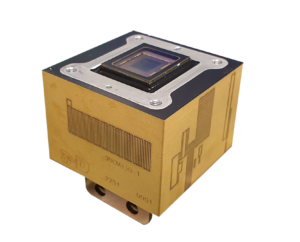
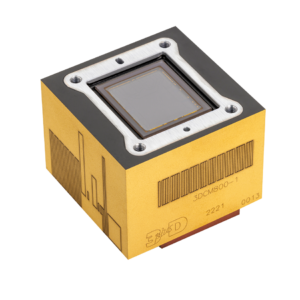
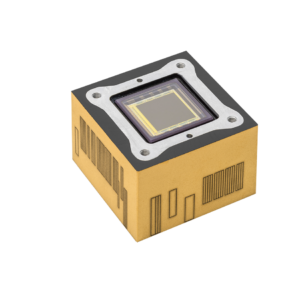
3D PLUS Space Radiation Tolerant DDR2 SDRAM offers improved speed and lower power consumption compared to DDR1, with densities spanning 1 Gb to 8 Gb and speeds up to 667 MT/s on a 1.8V supply. Data bus configurations of x8b, x48b, and x72b accommodate a wide range of memory subsystem architectures. Embedded decoupling capacitors improve signal integrity while reducing board-level component count and cost.
The product family is available in compact SOP and BGA packages (SOP 74, SOP 88, BGA 191, BGA 295, BGA 143, QPF 144), enabling both traditional and high-density PCB designs. The operating temperature range of -40°C to +105°C covers the full range of orbital environments.
Radiation characterization exceeds 100 krad(Si) TID, with SEL LETth greater than 68 MeV.cm²/mg. SEU LETth is 2.4 MeV.cm²/mg (σsat = 5.6E-11 cm²/bit), and SEFI LETth exceeds 4.8 MeV.cm²/mg (σsat = 4.5E-5 cm²/device). These figures confirm suitability for high-radiation GEO, MEO, and deep-space environments.
Key part numbers include 3D2D1G08US1285, 3D2D4G72UB3652 (BGA), and 3D2D8G08US8663. The DDR2 family has achieved notable flight heritage including the Mars 2020 Perseverance Rover mission.
Documentation
No public datasheet yet — request the datasheet / ICD from the supplier.