Umbra SAR Satellite
 Umbra
Umbra
Umbra's flagship 70 kg X-band SAR microsatellite delivers the highest-resolution commercial synthetic aperture radar imagery available, operating in a growing sun-synchronous constellation.
Technical specifications
- Mass
- ~70 kg per satellite
- Design life
- 5 years
- Frequency band
- X-band
- Antenna
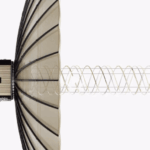
- Center-fed parabolic mesh reflector, 10 m² deployed
- Transmit power
- 300 W solid-state power amplifier
- Best demonstrated resolution
- 16 cm (highest-resolution commercial SAR image released, Aug 2023)
- Standard resolutions
- 25 cm, 35 cm, 50 cm, and 1 m
- Orbit
- Sun-synchronous LEO, ~560 km altitude, 97.4° inclination
- Imaging modes
- Spotlight and Extended Dwell
- Planned constellation size
- 32 satellites
- Satellites launched (mid-2026)
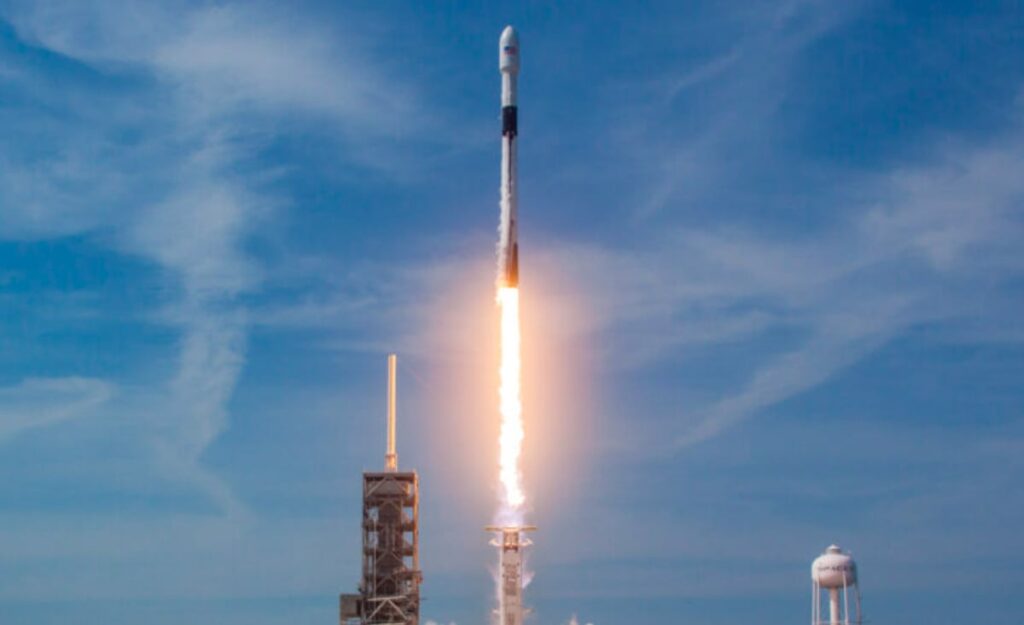
- 12 (Umbra-01 through Umbra-12), all via SpaceX Falcon 9 rideshare since Transporter-2 (Jun 2021)
About
The Umbra SAR satellite is Umbra Space’s flagship synthetic aperture radar microsatellite, designed and vertically manufactured in-house at Umbra’s Southern California facility. Each ~70 kg spacecraft carries a center-fed parabolic mesh reflector antenna (10 m2 deployed) driven by a 300-watt solid-state power amplifier operating in X-band, sized to fit an EELV Secondary Payload Adapter ring for low-cost rideshare launch. The satellites operate in Spotlight and Extended Dwell imaging modes, providing all-weather, day-and-night imaging that penetrates clouds, rain, smoke, and darkness. In August 2023 Umbra generated a 16 cm resolution SAR image, described as the highest-resolution commercial satellite image ever released, and the constellation regularly delivers 25 cm, 35 cm, 50 cm, and 1 m resolution imagery. Target markets include defense and intelligence, emergency response and disaster management, urban planning, and maritime domain awareness. As of mid-2026 Umbra has launched 12 satellites (Umbra-01 through Umbra-12) toward a planned 32-satellite constellation, all via SpaceX Falcon 9 rideshare missions beginning with Transporter-2 in June 2021 through the Twilight mission in January 2026.
Documentation
No public datasheet yet — request the datasheet / ICD from the supplier.