Tyvak / Terran Orbital Enterprise
 Tyvak (part of Terran Orbital/Lockheed)
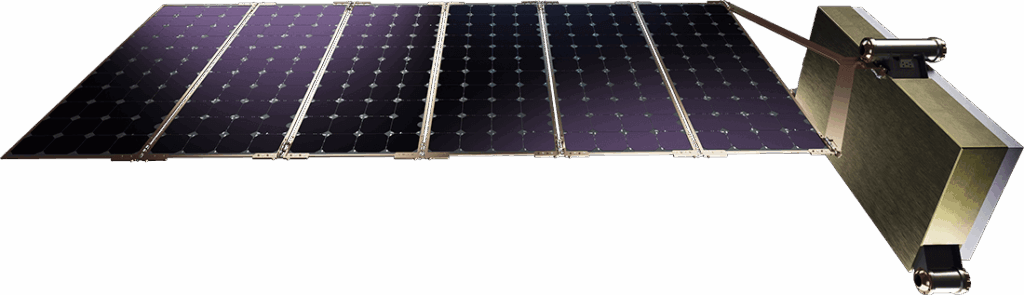
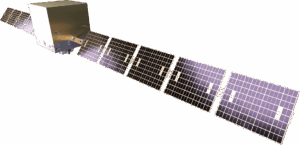
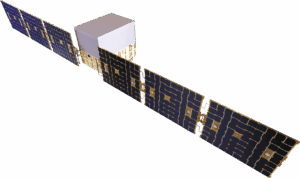
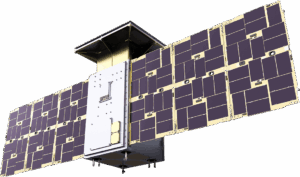
Largest platform in the Terran Orbital line, a flat-packing bus with Optical Inter-Satellite Link support for up to 24 satellites per launch.
Technical specifications
- Configuration A - Applications
- LEO
- Configuration A - Native Orbits
- 400-1200km
- Configuration A - Launch Mass (Wet)
- 500kg
- Configuration A - Available Payload Mass
- Up to 200kg
- Configuration A - Available Payload Power
- Up to 2kW
- Configuration A - Payload Deck Area
- 100cm x 200cm
- Configuration B - Applications
- LEO
- Configuration B - Native Orbits
- 400-1200km
- Configuration B - Launch Mass (Wet)
- 1000kg
- Configuration B - Available Payload Mass
- Up to 650kg
- Configuration B - Available Payload Power
- Up to 3kW
- Configuration B - Payload Deck Area
- 114.3cm x 254cm
- Configuration C - Applications
- MEO/GEO
- Configuration C - Native Orbits
- 1200-35,000km
- Configuration C - Launch Mass (Wet)
- 1250kg
- Configuration C - Available Payload Mass
- Up to 750kg
- Configuration C - Available Payload Power
- Up to 3kW
- Configuration C - Payload Deck Area
- 114.3cm x 254cm
- Redundancy
- Dual-string (all configurations)
- Power System
- 66, 28, 12, 9V rails available
- Communication Data Rate (A/B)
- S-band: 125 Kbps uplink, 2 Mbps downlink; X-band: 650 Mbps downlink
- Communication Data Rate (C)
- S, X, and Ka TT&C options, high and low data rates available
- Pointing Accuracy
- 10 to 50 arcseconds standard, higher accuracy available
About
The Enterprise builds on Terran Orbital’s long line of SmallSat bus heritage, with the same avionics and GNC algorithms as the smaller bus classes. Significant enhancements to the structure support the largest payloads, and it includes Optical Inter-Satellite Link (OISL) functionality for communications. A new power storage system has been designed to reduce weight and increase the power available to the payload. Enterprise is scalable in thickness and weight based on customer payload requirements without changing the bus architecture, and is offered in three configurations (A, B, C) spanning LEO to MEO/GEO applications.
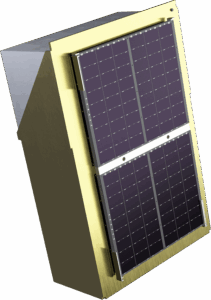
Key benefits: flat-packing design allows delivery of up to 24 satellites per launch (depending on the launch vehicle); includes Optical Inter-Satellite Link (OISL) functionality; large, flat deck optimized for communications and RF payloads.
Baseline modules included: Flight Computers (2), Watchdog Backplane, 66V Battery Modules (varies), 66V MPPT (10), 66V Load Controller, 28V Low/High-power Point-of-Loads (varies), Gyro Assembly, Coarse Sensors (4), Star Trackers (3), GPS (2), Magnetorquers (3), Reaction Wheels (4), LDRR (2), MDR (2), HDR.
Documentation
Need the full ICD, test reports or a specific revision? Ask the supplier directly.