Teledyne e2v Space Imaging Detectors — CCDs and HgCdTe Infrared Sensors for Astronomy
 Teledyne e2v
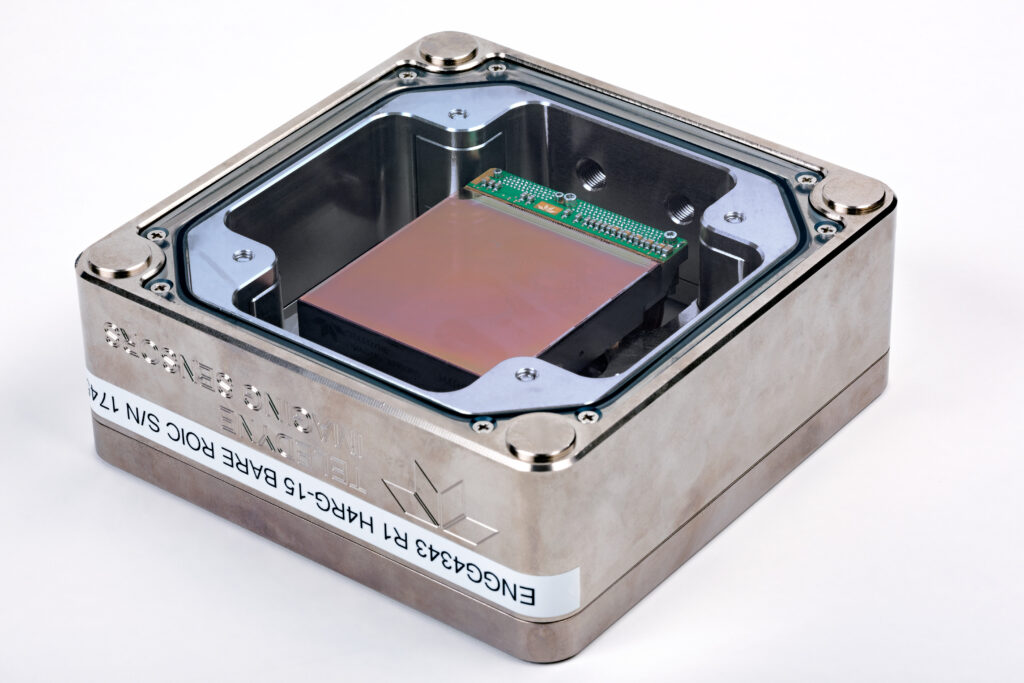
Teledyne Technologies is a US industrial conglomerate whose Teledyne e2v and Teledyne Scientific & Imaging divisions supply precision imaging detectors for space telescopes and Earth observation satellites. Teledyne e2v (Chelmsford, UK) manufactures CCD and CMOS image sensors used in Euclid (CCD273-84, 600 sensors tiling the visible focal plane), Gaia (106 CCDs), Hubble’s ACS/WFC3 instruments, and […]
About
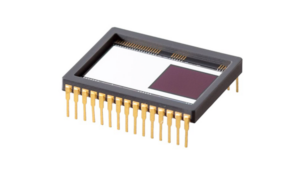
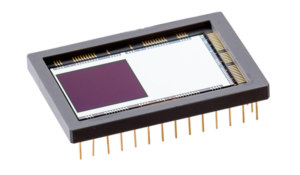
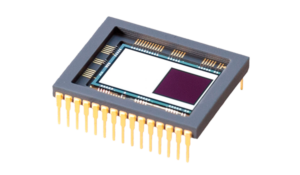
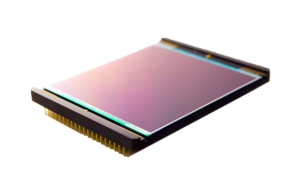
Teledyne Technologies is a US industrial conglomerate whose Teledyne e2v and Teledyne Scientific & Imaging divisions supply precision imaging detectors for space telescopes and Earth observation satellites. Teledyne e2v (Chelmsford, UK) manufactures CCD and CMOS image sensors used in Euclid (CCD273-84, 600 sensors tiling the visible focal plane), Gaia (106 CCDs), Hubble’s ACS/WFC3 instruments, and ESO’s Very Large Telescope instruments. The MOONS detector shown is a Teledyne Scientific near-infrared sensor for ESO’s MOONS multi-object spectrograph on the VLT at Paranal Observatory, Chile — providing one of the largest near-infrared focal planes ever deployed on a ground telescope. Teledyne Scientific & Imaging (Thousand Oaks, CA) builds HgCdTe (mercury cadmium telluride) infrared detector arrays used in JWST’s NIRCam, NIRSpec, MIRI, FGS, and NIRISS instruments, as well as in NASA’s NEO Surveyor infrared telescope for near-Earth asteroid detection. Teledyne’s H1RG/H2RG/H4RG-10 detector series provides 1–16 megapixel infrared sensitivity at 40–140 K operating temperatures. The LSST Camera for the Vera C. Rubin Observatory uses 189 Teledyne e2v 4K×4K sensors tiling its 63 cm-diameter focal plane — the largest digital camera ever built for astronomy.
Documentation
No public datasheet yet — request the datasheet / ICD from the supplier.