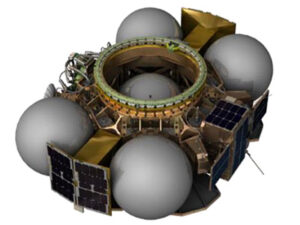
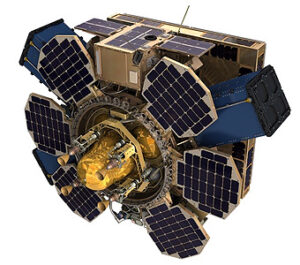
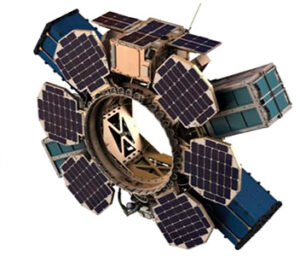
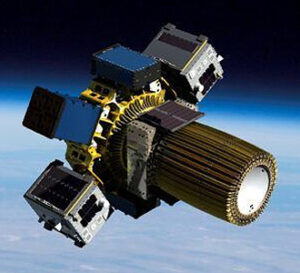
Sherpa-LTE
 Spaceflight Inc
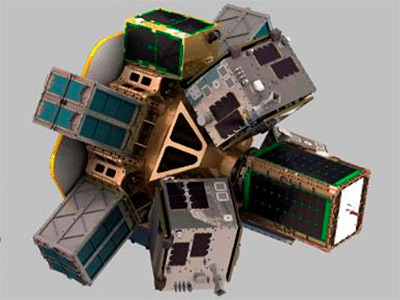
Electric propulsion OTV with Apollo Fusion Hall effect thruster, >6 km/s delta-V enabling GEO, cislunar, and Earth-escape delivery.
Technical specifications
- Vehicle type
- Electric propulsion orbital transfer vehicle
- Port interface
- 24" ESPA standard
- Maximum payload capacity
- 300 kg (reconfigurable)
- Propulsion system
- Apollo Fusion ACE (Hall effect thruster)
- Propellant
- Xenon (standard); krypton (option)
- Thrust
- Up to 100 mN
- Specific impulse (Isp)
- Up to 1,400 s
- Delta-V capability
- >6 km/s
- Target destinations
- GEO, cislunar, Earth-escape
- First flight
- June 30, 2021 (SpaceX Transporter-2)
About
Sherpa-LTE (Low-Earth Orbit Transfer – Electric) is the industry’s first electric propulsive orbital transfer vehicle. It incorporates the Apollo Constellation Engine (ACE) — a radiation-hardened Hall effect thruster developed by Apollo Fusion — providing high specific impulse for efficient long-duration missions.
With a specific impulse of up to 1,400 s and a thrust of up to 100 mN, Sherpa-LTE generates more than 6 km/s of delta-V — enough to deliver payloads to GEO, cislunar space, or Earth-escape trajectories from an initial rideshare drop-off orbit. The standard propellant is xenon, with krypton available as an option.
Sherpa-LTE’s first flight was June 30, 2021 on SpaceX Transporter-2. It carried the ACE thruster and demonstrated Hall thruster operation in orbit — an image captured during the mission is believed to be the first-ever in-space photograph of a Hall thruster firing.
Documentation
No public datasheet yet — request the datasheet / ICD from the supplier.