Chimera LEO 1 (Flight Demonstrator)
 Epic Aerospace
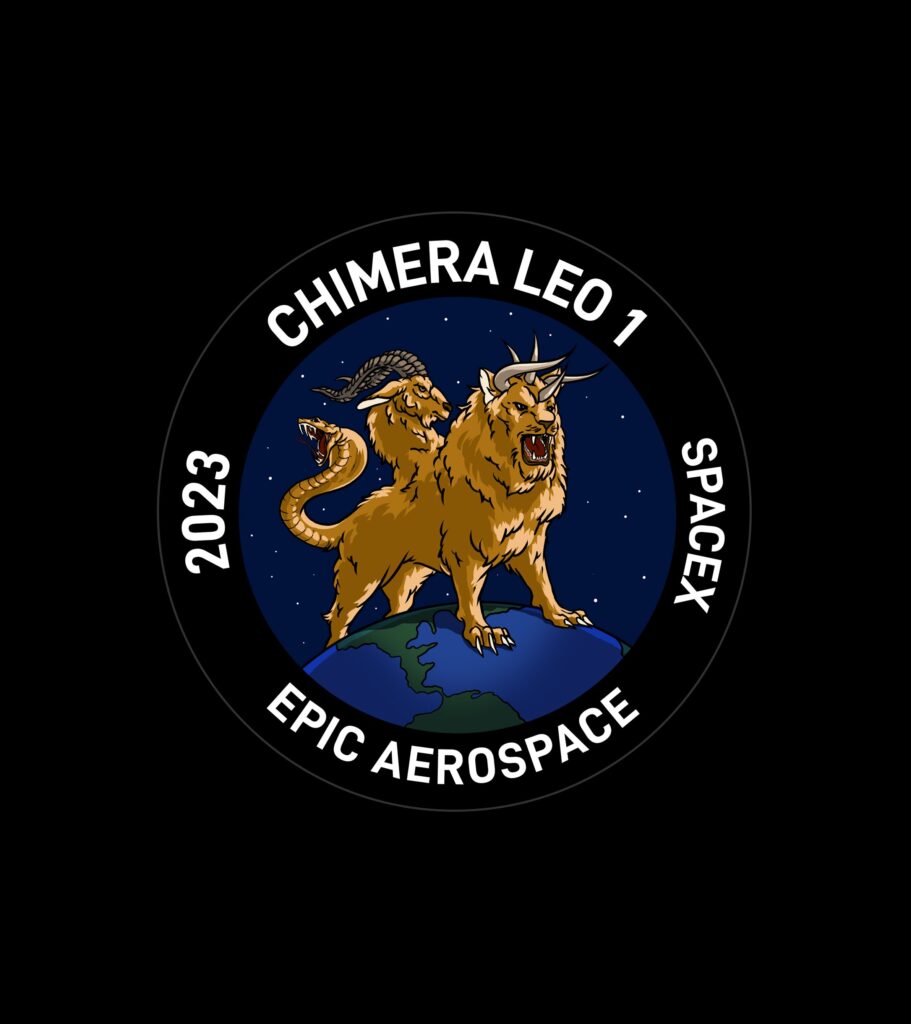
Epic Aerospace's first flown orbital transfer vehicle, launched on SpaceX Transporter-6 to validate its in-house propulsion, structure, and avionics stack.
Technical specifications
- Vehicle type
- Orbital transfer vehicle (OTV) demonstrator
- Launch
- SpaceX Transporter-6 rideshare mission
- Propulsion
- Non-toxic hypergolic engine, 900N thrust
- Structure
- Aluminum alloy structure, propellant tanks, secondary structures
- Avionics
- Epic-built avionics for main engine and RCS control
- Mission status
- Flown - flight heritage demonstrator
About
Chimera LEO 1 was Epic Aerospace’s first orbital transfer vehicle to fly, launched as a rideshare payload aboard SpaceX’s Transporter-6 mission. The mission served as an in-orbit demonstration and validation of the core systems that underpin Epic’s Chimera vehicle family.
The demonstrator flew with Epic-built systems across every major subsystem: a non-toxic hypergolic main engine producing 900N of thrust, an aluminum alloy structure including propellant tanks and secondary structures, and proprietary avionics for main engine and reaction control system (RCS) control. Successful operation of these systems on orbit gave Epic Aerospace flight heritage for the propulsion, structural, and avionics architecture that is now used across its Chimera LEO and Chimera GEO product lines.
Chimera LEO 1’s flight campaign included ground test milestones such as thrust vector control (TVC) testing ahead of launch, and the mission carried a dedicated mission patch marking the vehicle’s flight. The demonstrator’s success established the technical foundation for Epic Aerospace’s broader vision of building a dedicated space-transportation network of orbital transfer vehicles.
Documentation
No public datasheet yet — request the datasheet / ICD from the supplier.