Astranis Prime (MicroGEO)
 Astranis Space Technologies
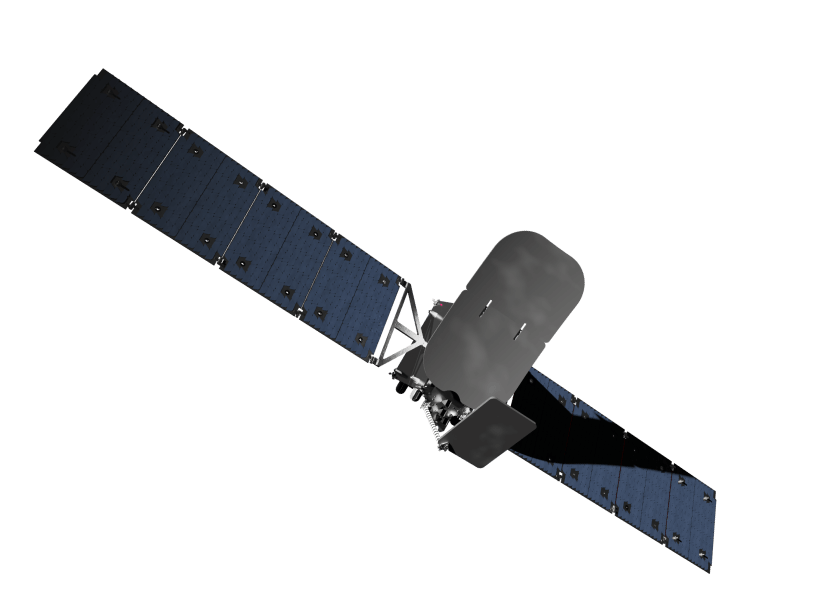
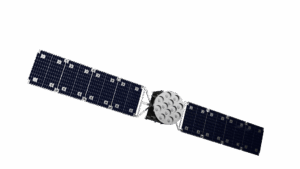
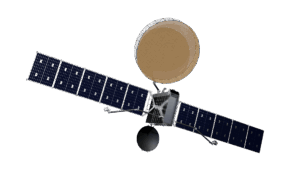
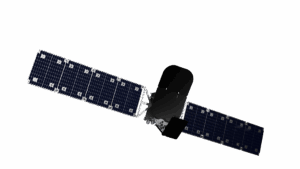
Astranis Prime is the first-generation MicroGEO small geostationary satellite, delivering dedicated Ka-band broadband connectivity to underserved markets. The platform launched commercially in 2023 with Arcturus.
Technical specifications
- Satellite Class
- MicroGEO
- Orbit
- Geostationary (GEO)
- Mass (wet)
- ~300–400 kg
- Frequency Band
- Ka-band
- Throughput
- 7.5–8.5 Gbps
- SDR Bandwidth
- 9 GHz simultaneous
- Propulsion
- Electric (ion thruster)
- Manufacturing Lead Time
- 12–18 months
- First Launch
- May 1, 2023 (Falcon Heavy)
About
Astranis Prime is the foundational MicroGEO satellite platform — a small geostationary communications satellite that pioneered the concept of dedicated, affordable GEO broadband. At approximately 300–400 kg, it is roughly 1/20th the mass of a traditional large GEO satellite, enabling much lower launch costs while still delivering meaningful broadband capacity. The first operational satellite, Arcturus (Aurora 4A), launched May 1, 2023 on a Falcon Heavy and demonstrated that small GEO satellites could viably serve commercial broadband customers.
The Prime platform uses a proprietary software-defined radio (SDR) payload that enables dynamic reallocation of bandwidth and power on-orbit, supporting up to 9 GHz of simultaneous bandwidth. It operates in Ka-band and uses spot beam technology to concentrate capacity where it is needed most. Arcturus delivered up to 8.5 Gbps of throughput against a design target of 7.5 Gbps, proving the platform exceeded its specifications.
Prime satellites are manufactured and tested at Astranis’s historic Pier 70 facility in San Francisco and can be produced in a 12–18 month cycle. The all-electric propulsion system enables station-keeping in geostationary orbit. Four Block 2 Prime satellites were launched together on December 29, 2024, serving partners from the Philippines to the United States.
Documentation
No public datasheet yet — request the datasheet / ICD from the supplier.