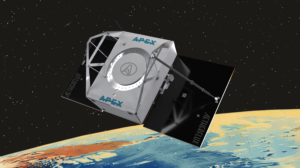
Galactic Brain Orbital Data Center
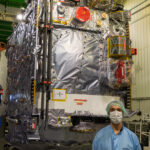 Aetherflux
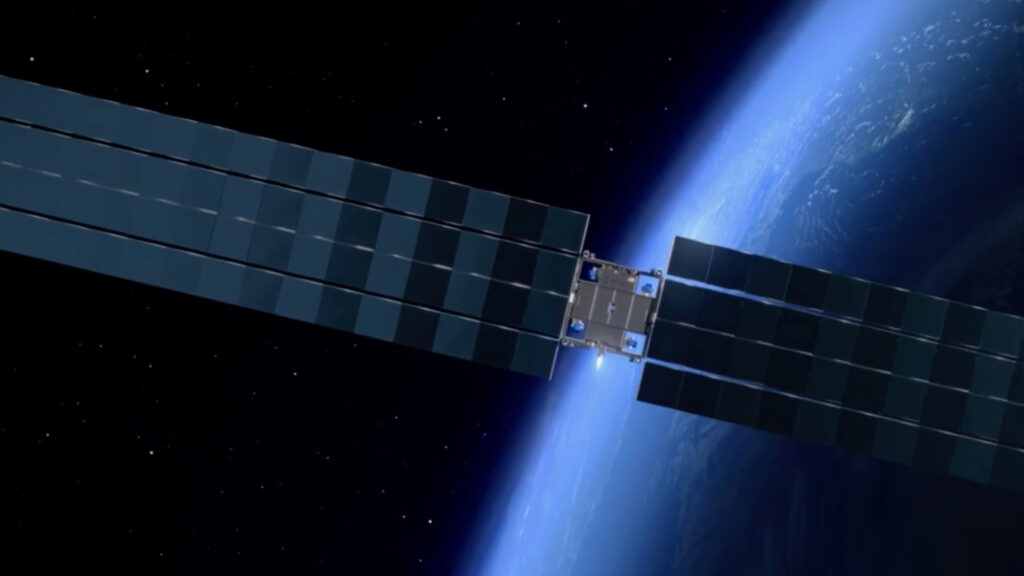
Galactic Brain is Aetherflux's orbital AI compute platform: a constellation of solar-powered LEO satellites providing GPU-class processing in space, bypassing terrestrial energy constraints. The first commercial node targets Q1 2027.
Technical specifications
- Orbit
- Low Earth Orbit (LEO)
- First Node Commercial Operation
- Q1 2027
- Initial Compute Class
- Teraflop-class (2027)
- Scale-up Compute Class
- Petaflop-class constellation
- Connectivity
- Multi-gigabit bandwidth via optical inter-satellite links
- Latency
- ~500 ms (suitable for batch/inference workloads)
- Power Source
- Space-based solar power (continuous collection in LEO)
- Cooling Method
- Passive radiative cooling
- Satellites per Launch (Falcon 9)
- ~30
- Primary Workload
- AI inference and general-purpose GPU compute
About
Galactic Brain is Aetherflux’s flagship orbital data center program, announced in December 2025. It represents the company’s expansion beyond pure power beaming into in-orbit compute — leveraging continuous solar energy harvesting to power GPU-class workloads directly in space, putting the sunlight next to the silicon and skipping the power grid entirely.
Each Galactic Brain node is a solar-powered compute satellite operating in low Earth orbit. The initial deployment targets teraflop-class compute capability, scaling to petaflop-class constellations as node count grows. The first commercial node is targeted for Q1 2027, with approximately 30 satellites per Falcon 9 launch and 100+ per future Starship launch. Satellites use optical inter-satellite links to deliver multi-gigabit bandwidth with near-constant uptime, while ~500 ms latency makes the system best-suited for AI inference and batch workloads.
The architecture addresses terrestrial data center bottlenecks — land acquisition, utility connections, and grid-dependent power — that typically require 5–8 years to resolve. By contrast, Galactic Brain nodes can be deployed and operational within months. Radiative cooling in the space environment replaces energy-intensive liquid cooling systems used in ground-based data centers.
Documentation
No public datasheet yet — request the datasheet / ICD from the supplier.