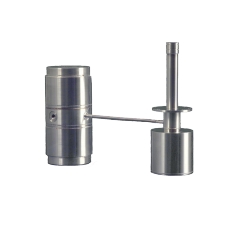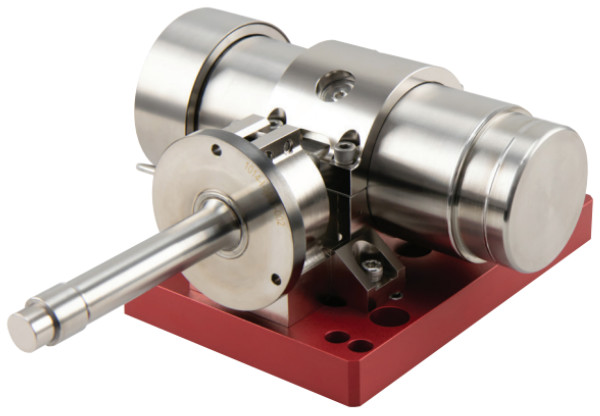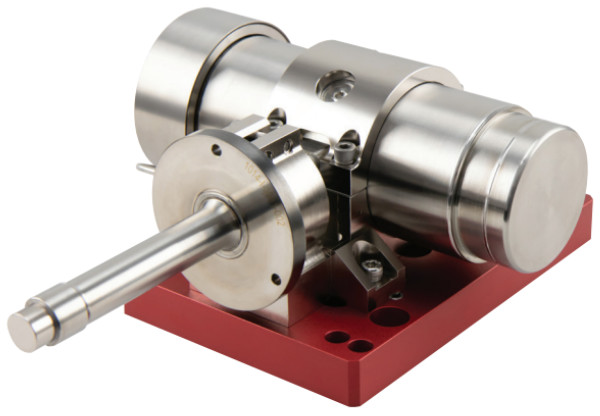

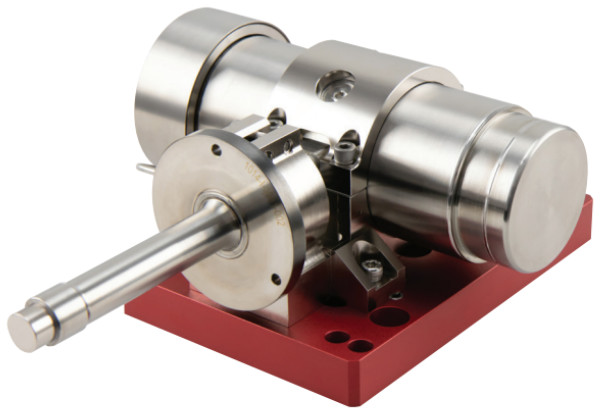
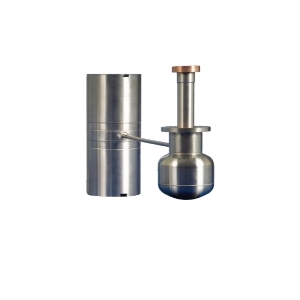
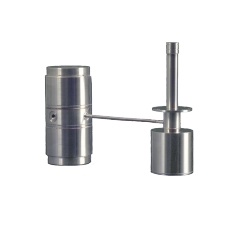
5.7 W split pulse-tube cryocooler based on flexure-bearing technology, flown on NASA's ECOSTRESS instrument on the ISS.
LPT 9310 HP COTS+ Pulse-Tube Cryocooler
5.7 W split pulse-tube cryocooler based on flexure-bearing technology, flown on NASA's ECOSTRESS instrument on the ISS.
Flight heritageNASA ECOSTRESS instrument, International Space Station
Description
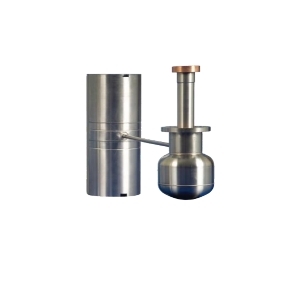
The LPT 9310 HP COTS+ is a split pulse-tube cryocooler from Thales Cryogenics built on proven flexure-bearing compressor technology. It was selected for NASA's ECOSTRESS instrument on the International Space Station, providing cooling for infrared detectors in an Earth-observation thermal imaging payload. The upgraded split design targets lower cold-tip temperatures while keeping mass and envelope compact for spacecraft integration.
Specifications
| Type | Pulse tube cooler |
|---|---|
| Mass | 7 kg |
| Input power | 180 W |
| Cooling power | 3 to 5.7 W |
| Cryogenic temperature | 60 to 80 K |
| Dimensions | 90 mm (dia) x 204 mm; pulse tube 24 mm |
| Flight heritage | NASA ECOSTRESS instrument, International Space Station |