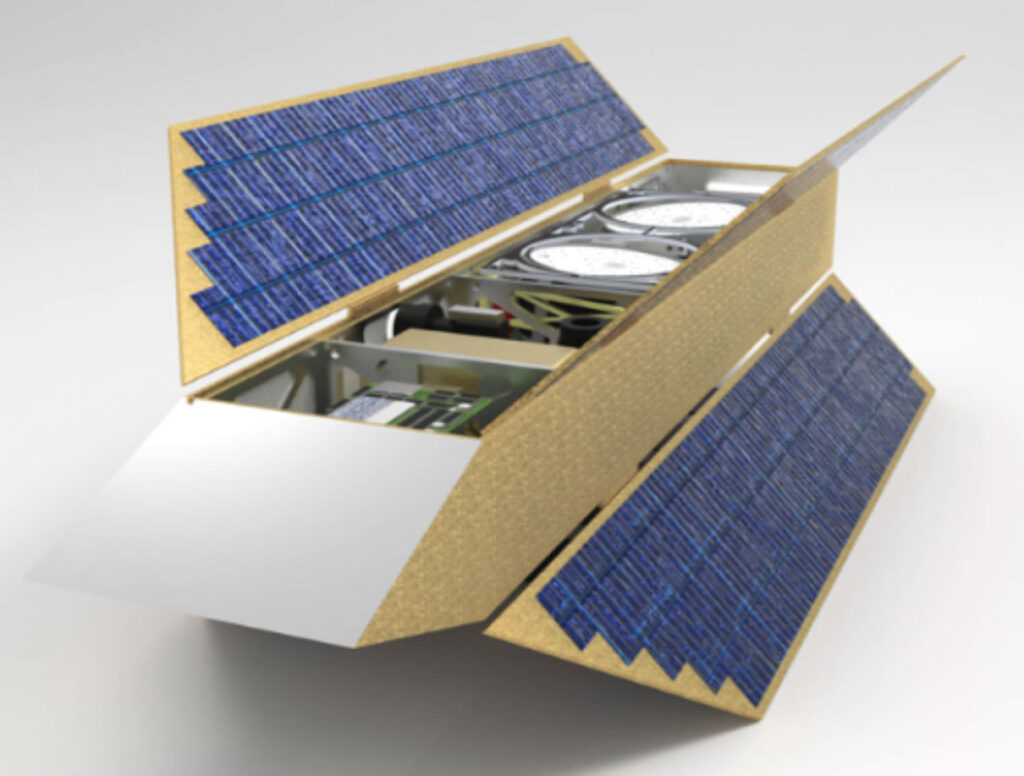



A low-cost Very Low Earth Orbit (VLEO) smallsat platform, flying at roughly 250 km altitude, designed as the scalable building block of a real-time, 1-meter-resolution Earth-monitoring constellation.
Skeyeon NEO (Near Earth Orbiter) Satellite Platform
A low-cost Very Low Earth Orbit (VLEO) smallsat platform, flying at roughly 250 km altitude, designed as the scalable building block of a real-time, 1-meter-resolution Earth-monitoring constellation.
Description
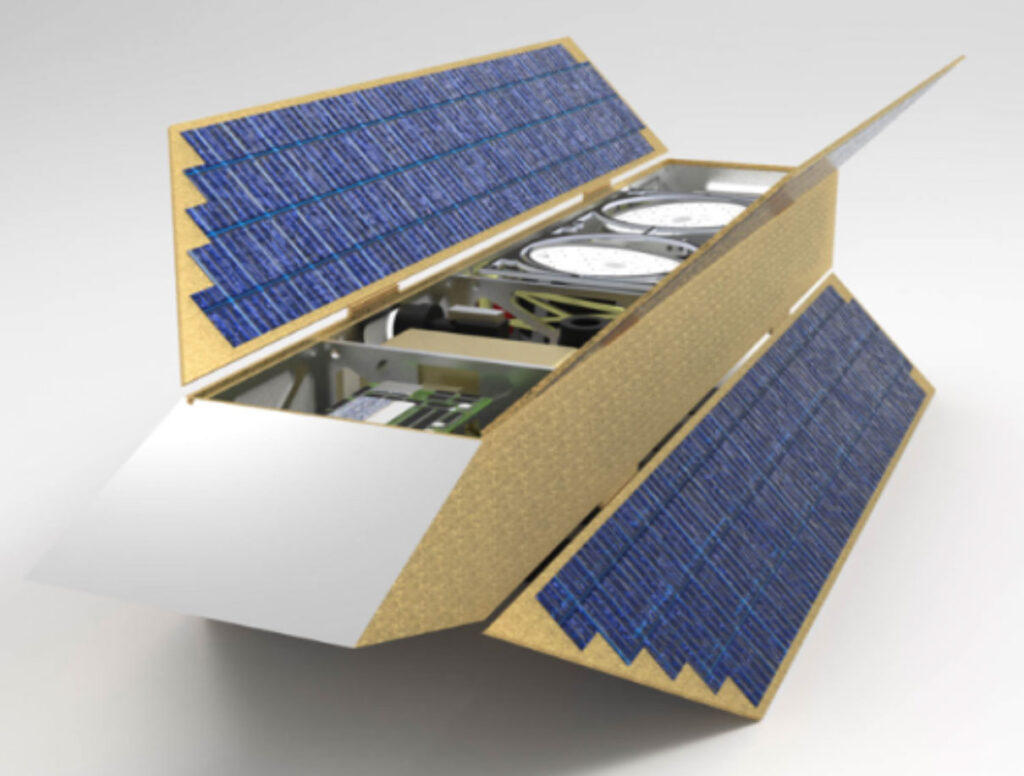
The Skeyeon Near Earth Orbiter (NEO) is the core spacecraft platform behind Skeyeon's planned Earth-monitoring constellation. Flying at Near Earth Orbit / Very Low Earth Orbit (approximately 250 km altitude), the platform is designed around a compact, low-cross-section form factor that keeps launch mass and cost low while enabling high-resolution imaging.
The platform integrates four patented core technologies. A Concentric Folded Lens Telescope uses folded optics to deliver 1-meter ground resolution while reducing the telescope's physical volume by roughly 25x and its cost by 10-50x compared to conventional space telescopes of similar performance. Near Earth Orbit Enabling Materials, a patented low-drag, self-healing, atomic-oxygen-resistant coating developed and lab-tested with university partners, reduces atmospheric drag by more than 50% and protects the spacecraft from atomic-oxygen erosion at VLEO altitudes. A Phased Array High-Bandwidth Link provides a patented radio downlink architecture that borrows from cellular/5G phased-array infrastructure concepts to enable low-latency, high-bandwidth, direct data delivery. Finally, the Low Cost Platform design philosophy emphasizes minimal mass, power and form factor to keep unit and launch costs low enough to support constellation-scale production.
A distinguishing feature of the NEO platform is its orbital lifecycle: because it flies at very low altitude, the spacecraft naturally deorbits and burns up within weeks of end-of-life, which Skeyeon markets as a 'self-cleaning orbit' that minimizes long-term space debris and collision risk, in contrast to satellites in higher, longer-lived orbits.
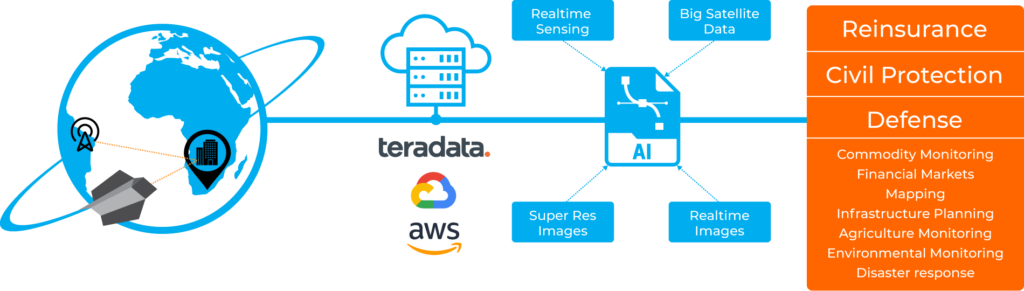
Skeyeon's business model envisions the NEO constellation generating daily (or better) revisit imagery, building a time-lapse image repository, and supporting both commercial services (real-time image viewing, data fusion with drone/terrestrial sources) and a planned consumer subscription offering. As of this listing, Skeyeon has not publicly announced any flight launches; its verifiable milestones to date are seven issued US patents (the most recent granted February 2026) covering the spacecraft architecture, coatings, and downlink technologies described above.
Specifications
| Orbit altitude | ~250 km (Near Earth Orbit / VLEO) |
|---|---|
| Image resolution | 1 m |
| Telescope volume reduction | ~25x smaller than comparable space telescopes |
| Telescope cost reduction | 10-50x lower than comparable-performance space telescopes |
| Coating drag reduction | >50% |
| End-of-life deorbit time | within weeks |
| Constellation revisit cadence | daily or better |
| Flight heritage | Pre-launch; no publicly announced flights as of 2026 |