TOPCAT
 University of Bath
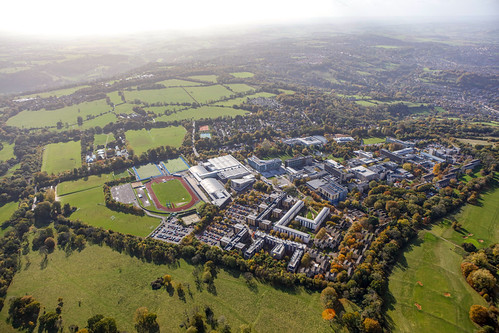
University of Bath ionospheric space weather sensor — lost on the inaugural Virgin Orbit LauncherOne UK launch from Spaceport Cornwall, January 2023. TOPCAT-II (ROARS) planned for 2027.
Technical specifications
- Type
- Ionospheric space weather sensor
- Measurement
- Topside electron density (total electron content, plasma density)
- Application
- Space weather monitoring, GPS/GNSS ionospheric correction
- Manifested launch
- Virgin Orbit LauncherOne, January 9, 2023
- Launch site
- Spaceport Cornwall, Newquay, UK
- Mission outcome
- Lost — LauncherOne second-stage anomaly
- Status
- Lost in launch anomaly; TOPCAT-II (ROARS) successor in development
- Planned successor
- ROARS/TOPCAT-II, targeted 2027
About
TOPCAT (TOPside Characterisation using Accurate Timestamps) is a space weather ionospheric payload developed by researchers in the Department of Electronic and Electrical Engineering at the University of Bath. It was designed to measure the electron density profile of the ionosphere from the topside — the region above the ionospheric peak — which is poorly characterised compared to ground-based measurements.
TOPCAT measures total electron content variations and plasma density fluctuations that affect GPS/GNSS signals and satellite communications. These measurements are critical for space weather monitoring, radio propagation prediction, and understanding ionospheric effects on navigation systems. The instrument uses radio occultation and in-situ plasma probe techniques in a compact package designed for small satellite integration.
TOPCAT was manifested aboard the inaugural LauncherOne launch from Spaceport Cornwall (Newquay, UK) on January 9, 2023 — the first orbital launch from British soil. The Virgin Orbit LauncherOne rocket suffered an anomaly in the second stage approximately 4 minutes after release from the Cosmic Girl carrier aircraft, failing to achieve orbit. All nine payloads aboard — including TOPCAT — were lost, and the vehicle’s remains fell into the Atlantic Ocean. The mission failure marked the end of Virgin Orbit’s launch operations; the company subsequently filed for bankruptcy.
The University of Bath responded to the loss by developing a successor mission: ROARS (Research On Atmospheric and Radiation Studies), carrying TOPCAT-II with an improved sensor design. ROARS is planned for a future launch around 2027 on an alternative launch vehicle. The TOPCAT experience — while ending in hardware loss — provided Bath researchers with valuable lessons in satellite integration, launch campaign operations, and mission resilience.
Documentation
No public datasheet yet — request the datasheet / ICD from the supplier.