Falcon 9
 SpaceX
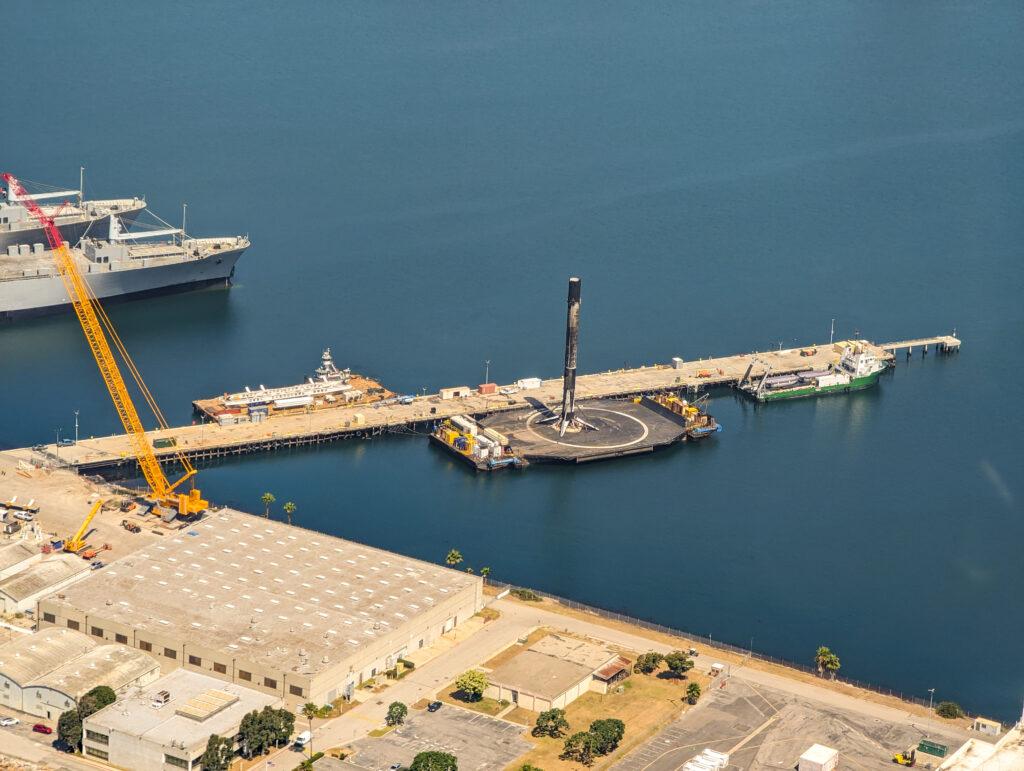
Falcon 9 is SpaceX's two-stage, reusable orbital rocket and the most-launched U.S. orbital vehicle in history, with a landed and reflown first-stage booster as its defining innovation.
Technical specifications
- Height
- 69.8 m, Full Thrust/Block 5 version
- Diameter
- 3.7 m
- Mass at liftoff
- ~549,000 kg
- Stages
- 2 (reusable first stage, expendable second stage)
- First stage engines
- 9x Merlin 1D
- First stage thrust
- 7,607 kN sea level / 8,227 kN vacuum
- Second stage engine
- 1x Merlin 1D Vacuum
- Payload to LEO
- 22,800 kg expended; ~17,500 kg with droneship recovery
- Payload to GTO
- 8,300 kg expended; ~5,500 kg with droneship recovery
- Reusability
- First stage booster designed for propulsive vertical landing and reflight; individual boosters have flown as many as 35+ missions
- Fairing diameter
- 5.2 m
- Flight heritage (mid-2026)
- ~672 total Falcon 9/Falcon Heavy family launches, 669 full successes, ~99.5%+ success rate; over 598 successful booster landings
About
Falcon 9 is a two-stage-to-orbit medium-lift launch vehicle designed and manufactured by SpaceX for reliable, cost-efficient transport of satellites, cargo, and crew to orbit. Its first stage is powered by nine Merlin 1D engines and is designed to survive re-entry and land vertically, either on a droneship at sea or on a landing pad, after which it can be refurbished and reflown, dramatically reducing launch costs versus expendable rockets. The second stage uses a single vacuum-optimized Merlin engine to deliver payloads to their final orbit, restarting to place multiple payloads into different orbits. Falcon 9 serves a broad market including commercial satellite operators, NASA cargo and crew resupply to the ISS via Dragon, national security payloads, and SpaceX’s own Starlink constellation deployment. Since its 2010 debut, Falcon 9 (now in its Block 5 iteration) has flown over 650 missions with a success rate above 99%, become the world’s most-flown active orbital rocket, and set booster reuse records with individual first stages flying more than 30 times.
Documentation
No public datasheet yet — request the datasheet / ICD from the supplier.