CubeSat Deployment from ISS
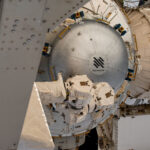 Nanoracks (Voyager)

Commercial CubeSat deployment service from the International Space Station via NanoRacks deployers — 1U to 6U satellites launched to ISS orbit (~400 km), rapid integration timeline, regular deployment cadence.
Technical specifications
- Deployment Orbit
- ~400 km (ISS orbit inclination: 51.6°)
- CubeSat Size
- 1U to 6U
- Deployment System
- NRCSD via JEM SSOD or external airlock
- Cargo Vehicles
- SpaceX Dragon, Cygnus, HTV/HTV-X
- Schedule
- Multiple deployments per year
- Heritage
- 300+ CubeSats deployed from ISS
About
NanoRacks (now part of Voyager Space) pioneered commercial access to the International Space Station for small satellite deployment, providing CubeSat operators with a reliable, regularly scheduled path to orbit at ~400 km altitude without the scheduling constraints of traditional rideshare launches.
The NanoRacks CubeSat Deployer (NRCSD) is a flight-proven deployment system that interfaces with the ISS Japanese Experiment Module (JEM) Small Satellite Orbital Deployer (SSOD) or the external airlock, enabling CubeSats from 1U to 6U to be deployed into ISS orbit after delivery to the station aboard cargo vehicles (SpaceX Dragon, Northrop Grumman Cygnus, JAXA HTV/HTV-X). Satellites are integrated into deployer tubes on the ground, manifested on cargo flights, and deployed from the station at operator-defined windows.
ISS deployment offers unique advantages for technology demonstrators and educational missions: proven, recurring access cadence tied to ISS cargo resupply schedules; relatively low altitude (~400 km) which provides short orbital lifetimes ensuring compliance with space debris mitigation guidelines; and the ability to use NASA’s NASA-funded cargo capacity for eligible US government-sponsored payloads. NanoRacks has deployed more than 300 CubeSats from the ISS since initiating the service in 2014.
Documentation
No public datasheet yet — request the datasheet / ICD from the supplier.