Geostationary Orbit Launch Services
Browse 9 launch windows targeting Geostationary orbit. Compare rideshare slots, providers, and book your CubeSat deployment.
Geostationary Orbit (Direct GEO) places satellites at 35,786 km altitude directly in the equatorial plane, where they orbit at the same angular rate as Earth rotates — appearing stationary from the ground. This makes GEO the ideal arc for broadcast communications, weather imaging (GOES, Meteosat), and military tactical datalinks, where a fixed ground antenna can maintain continuous contact without tracking.
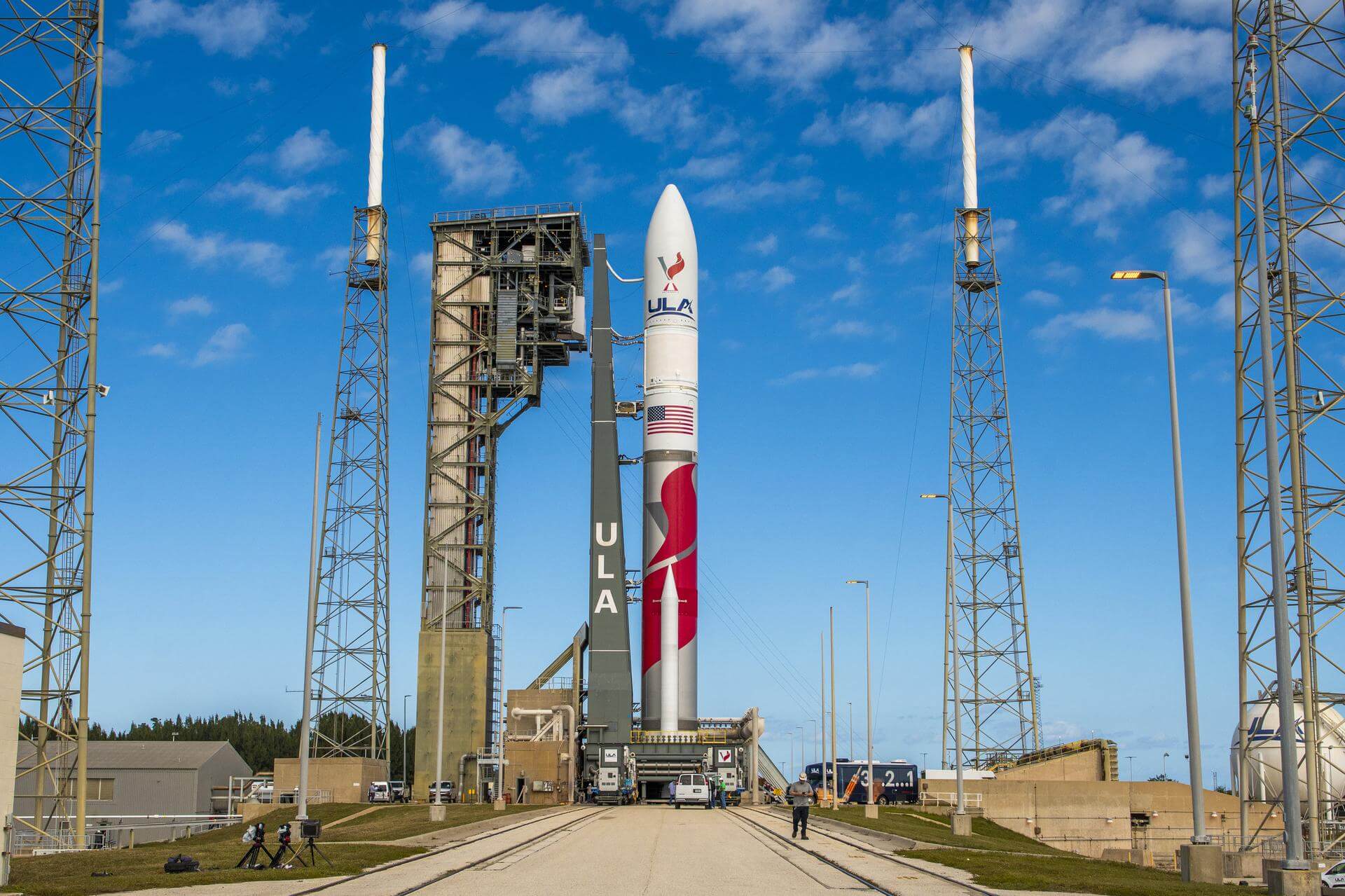
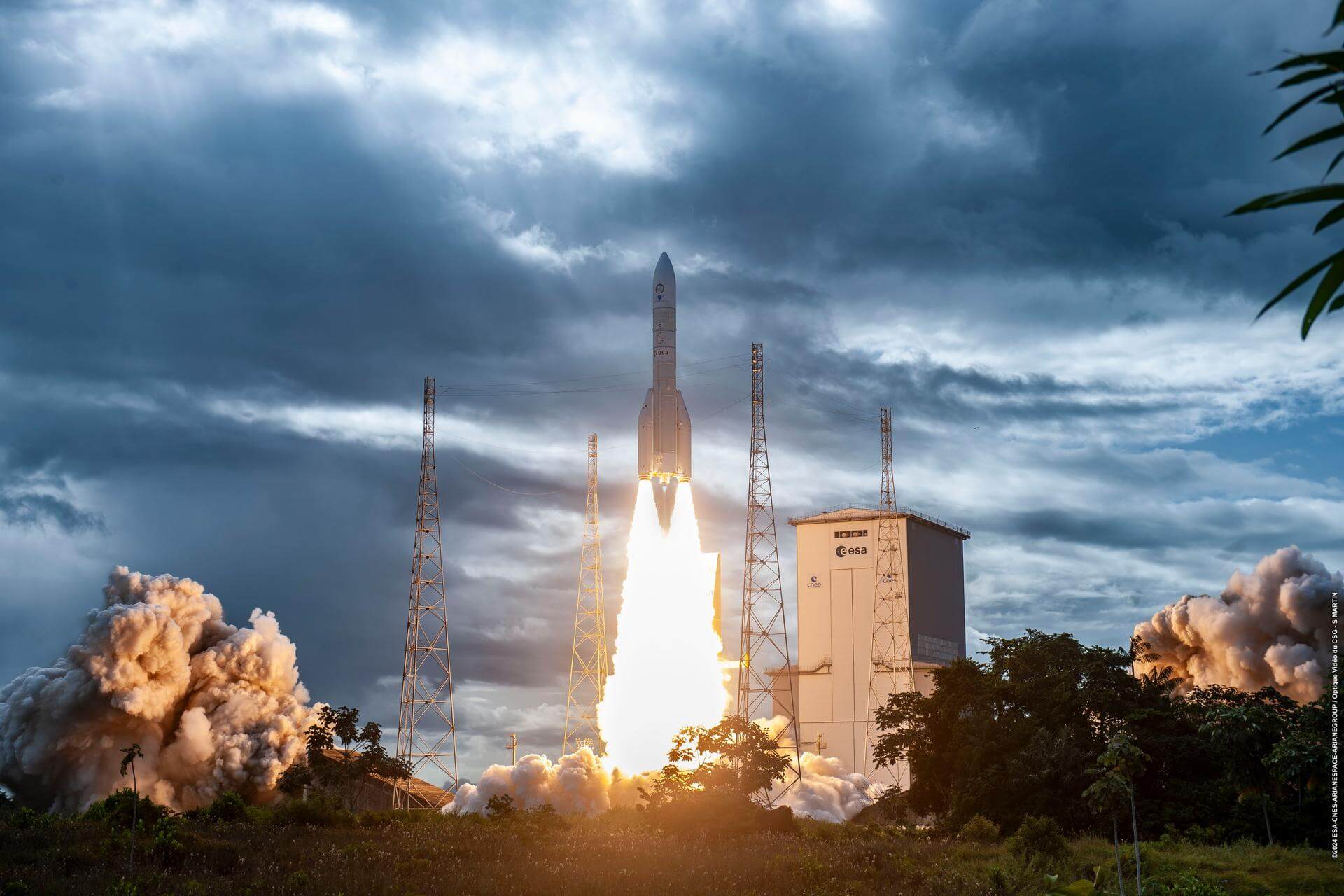
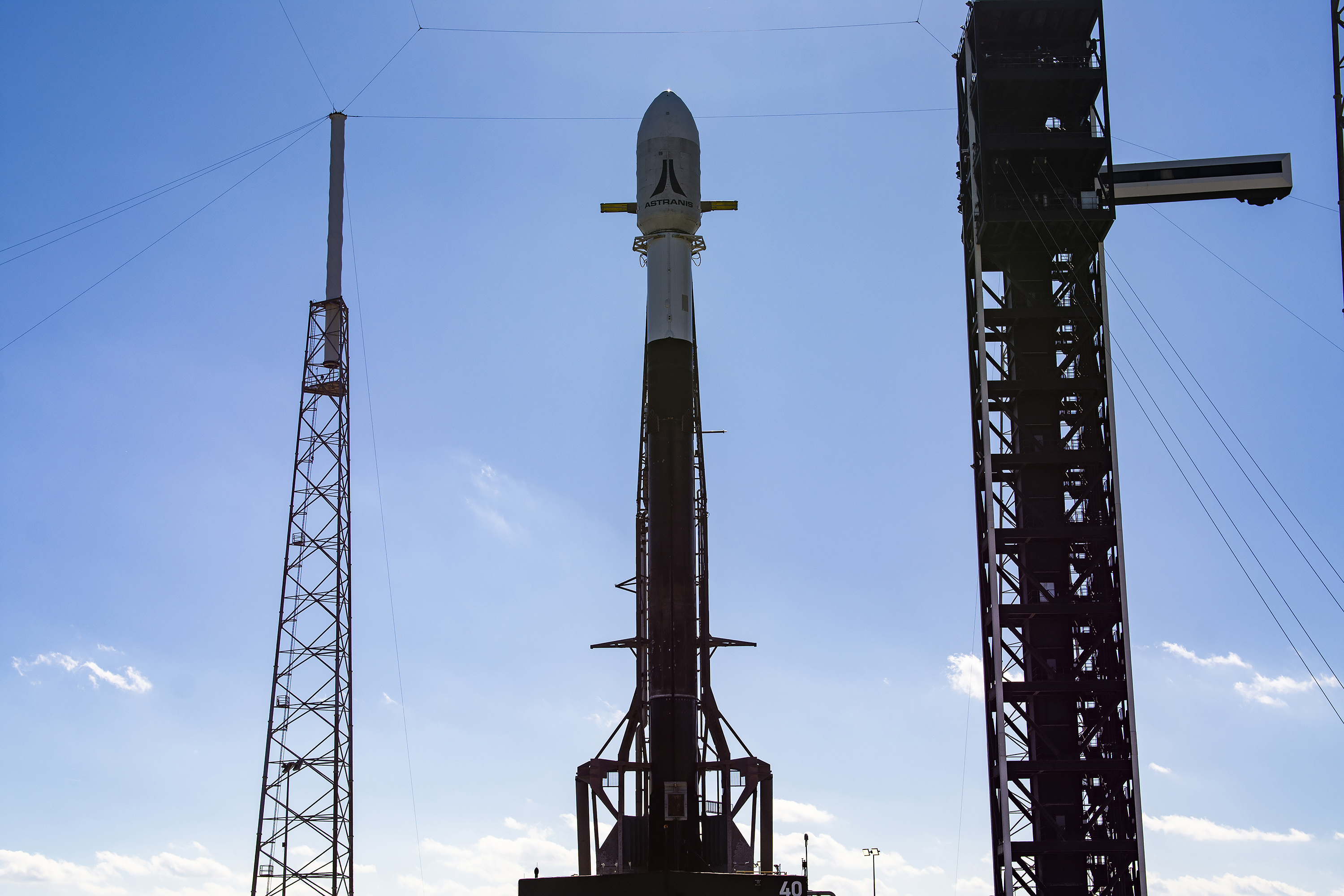
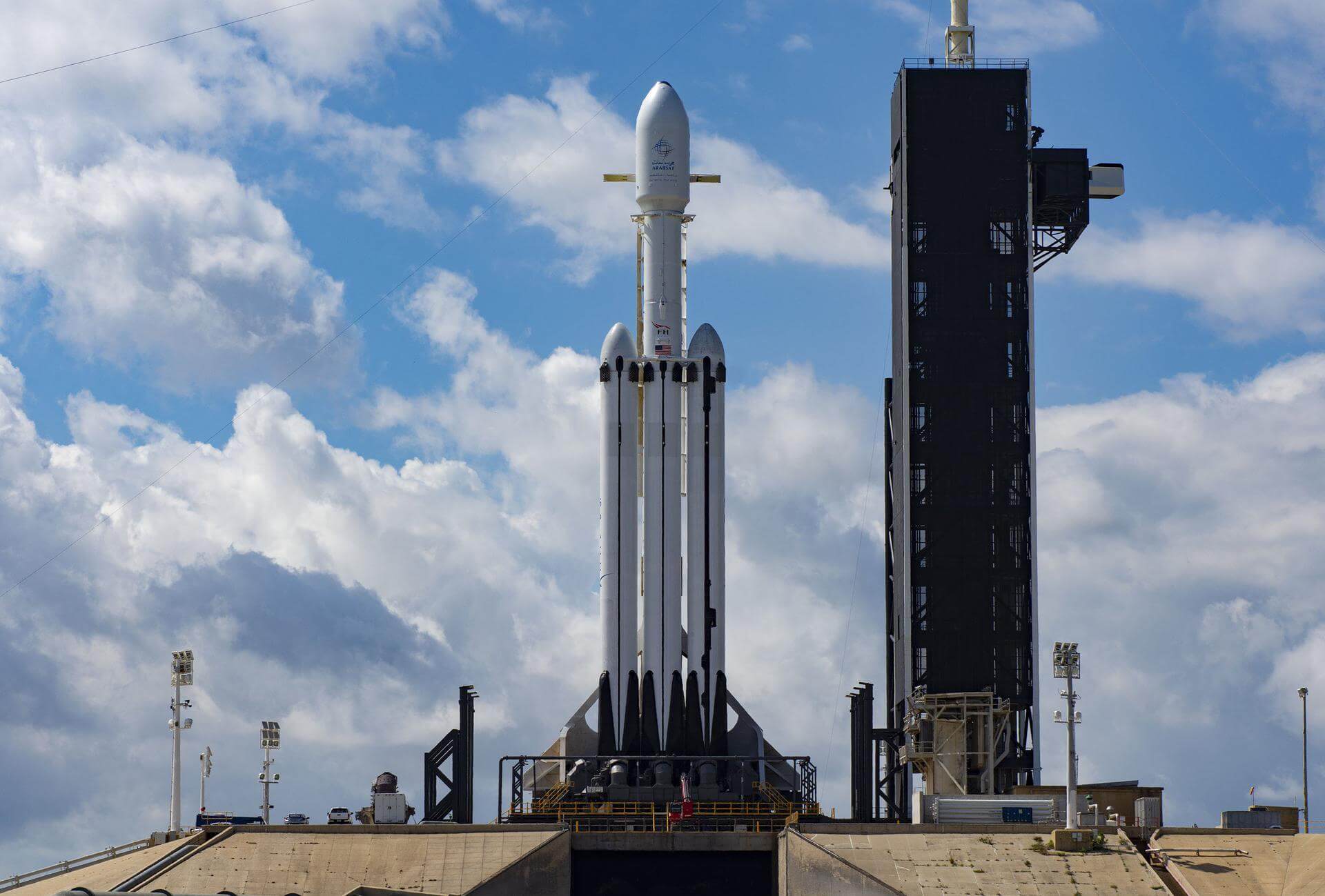
Direct GEO launches are served by the world's most capable launch vehicles: Ariane 5/6, SpaceX Falcon 9 and Falcon Heavy, ULA Atlas V and Vulcan, and ISRO GSLV Mk III. Reaching GEO directly requires a more efficient upper stage (or an apogee kick motor on the spacecraft) compared to GTO missions, reducing transfer time and radiation exposure.
Commercial communications satellites, hosted payload operators, and government relay missions look to KOSMOLAB SPACE for an aggregated view of GEO rideshare and hosted payload opportunities. The listings below show current GEO-bound launch windows and available capacity by provider.