About Telnet / Challenge One
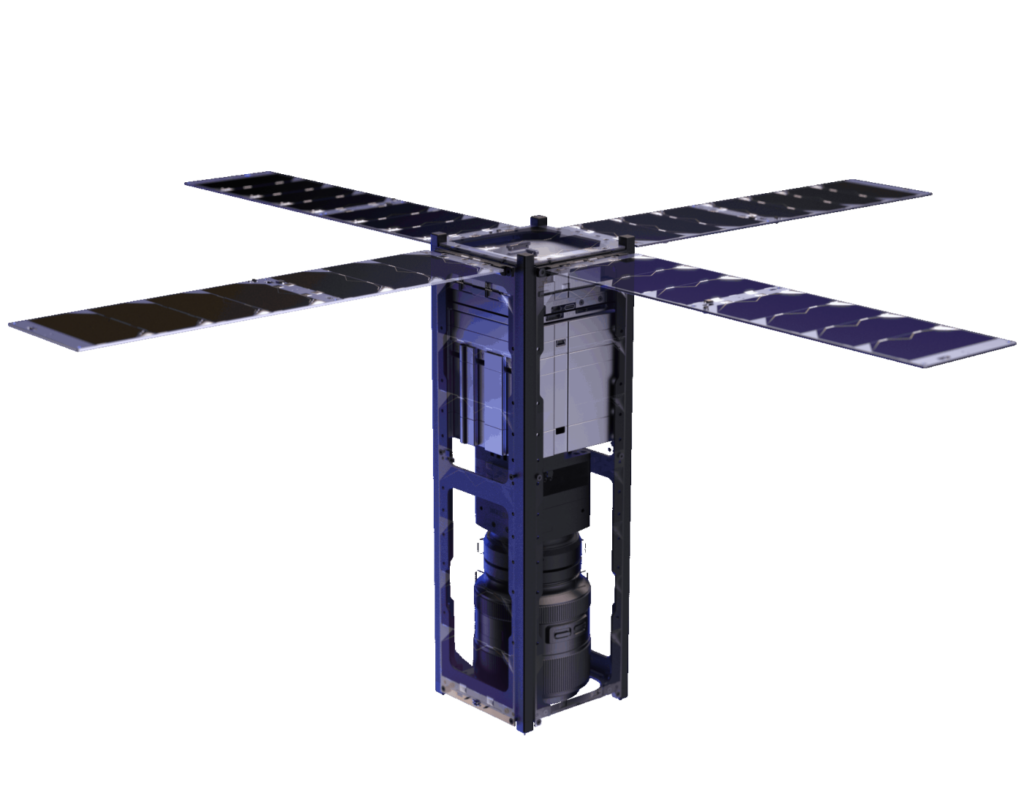
ChallengeOne is Tunisia's first satellite, developed by Telnet Holding and launched to a 550 km low Earth orbit via a Soyuz-2 rocket from Baikonur Cosmodrome with a planned 5-year mission duration. The satellite is a LoRa-based IoT gateway orbiting every 90 minutes, enabling low-power, low-bandwidth data communication with ground IoT terminals across North Africa and global coverage passes, supporting three primary application domains: agricultural data analytics for crop optimisation, infrastructure and road network monitoring, and vehicle and asset tracking and location services.
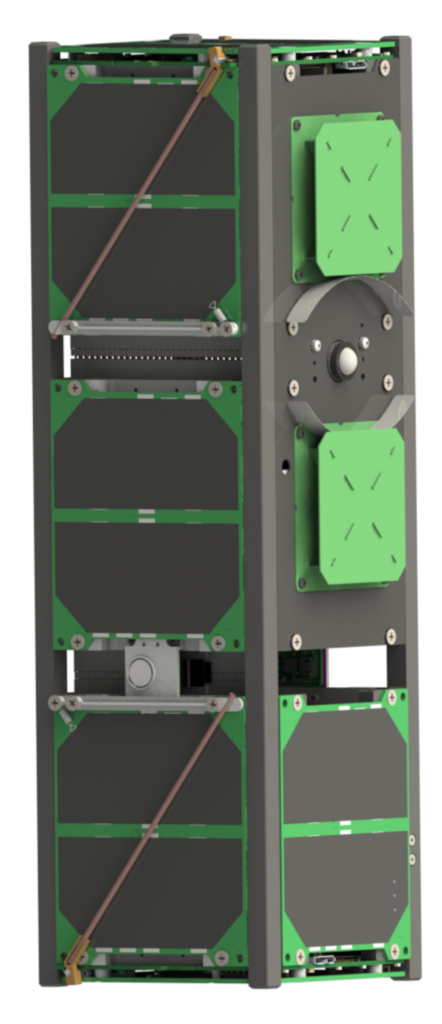
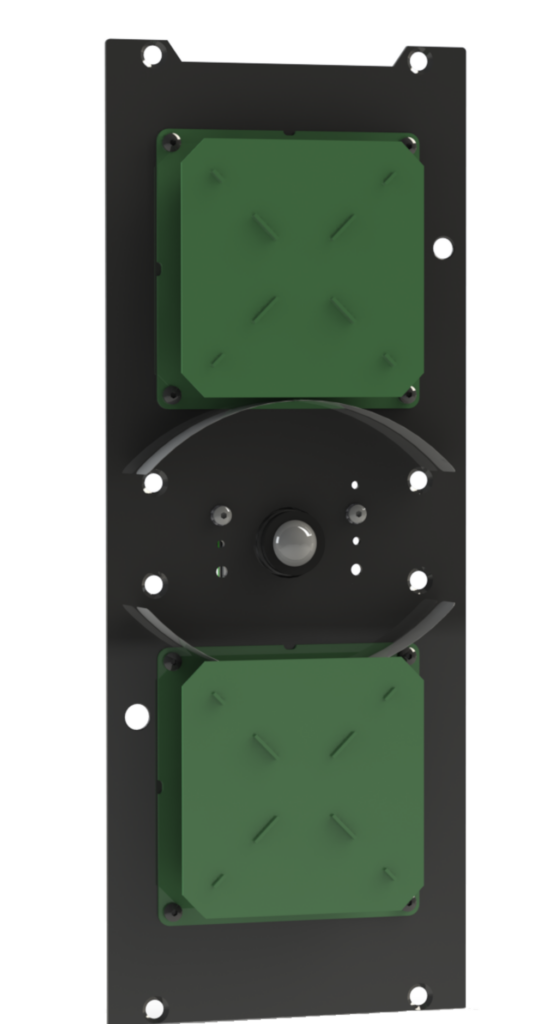
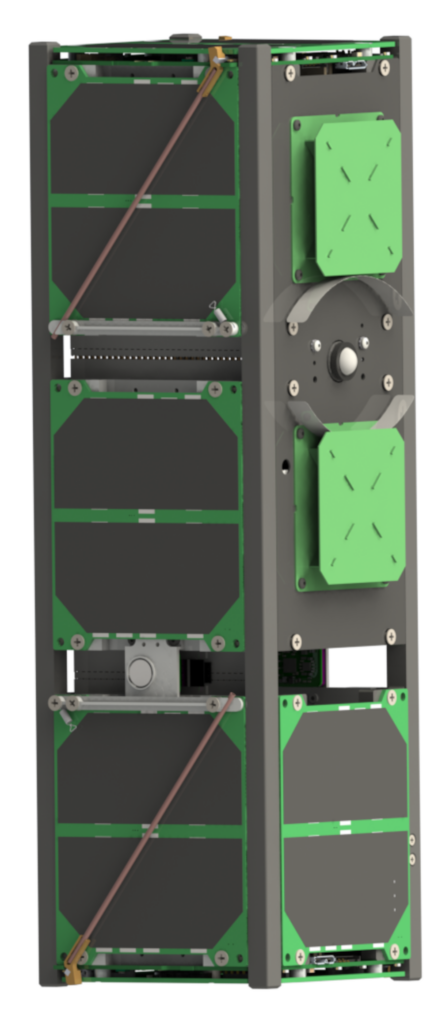
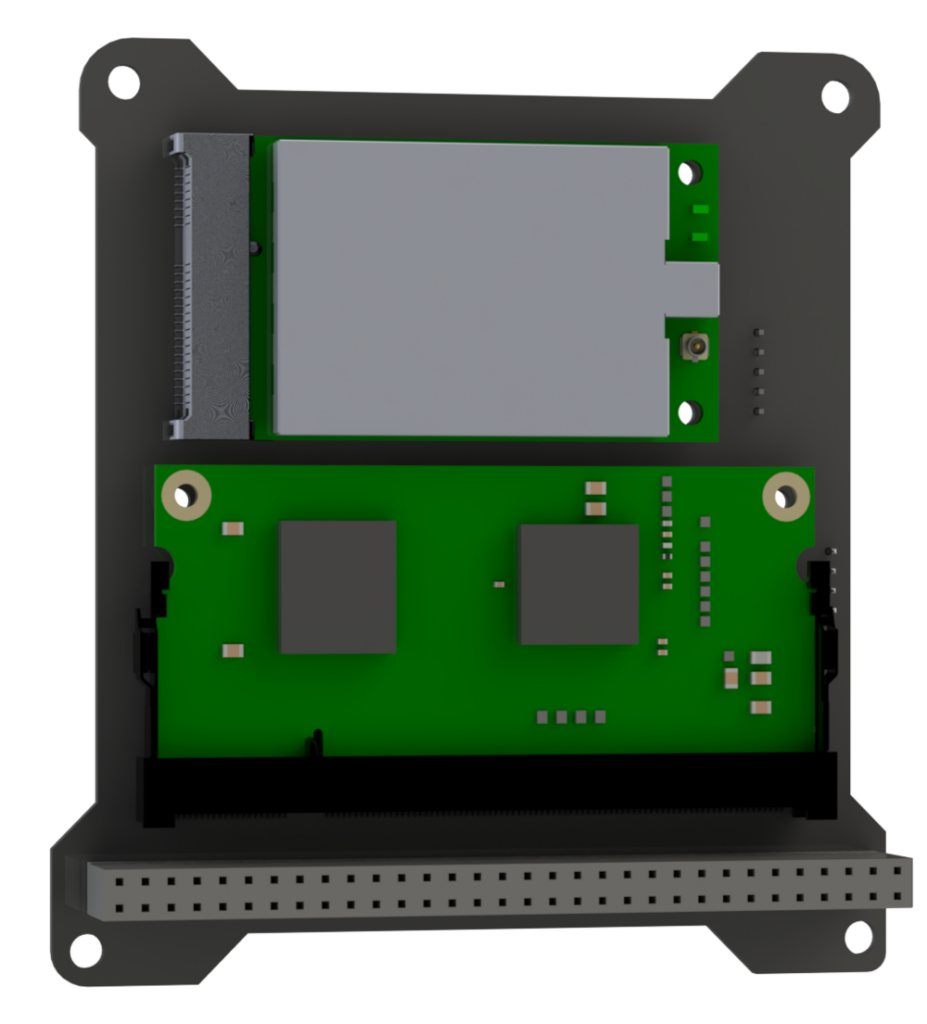
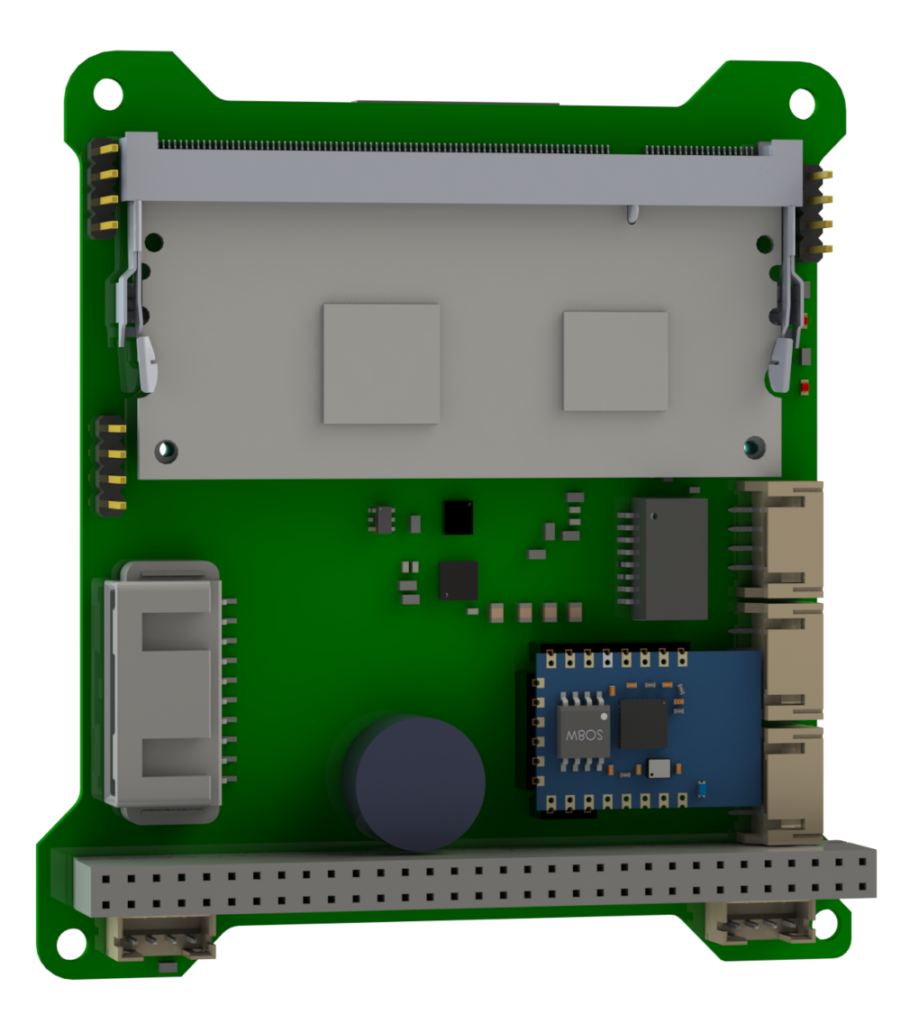
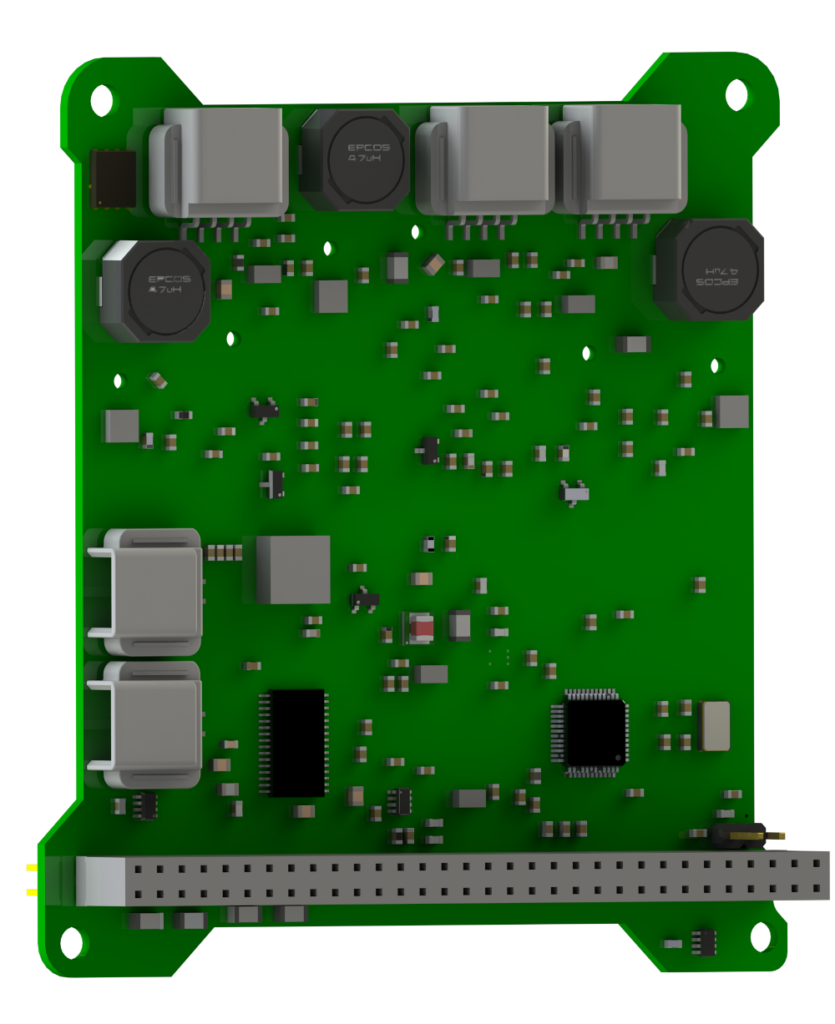
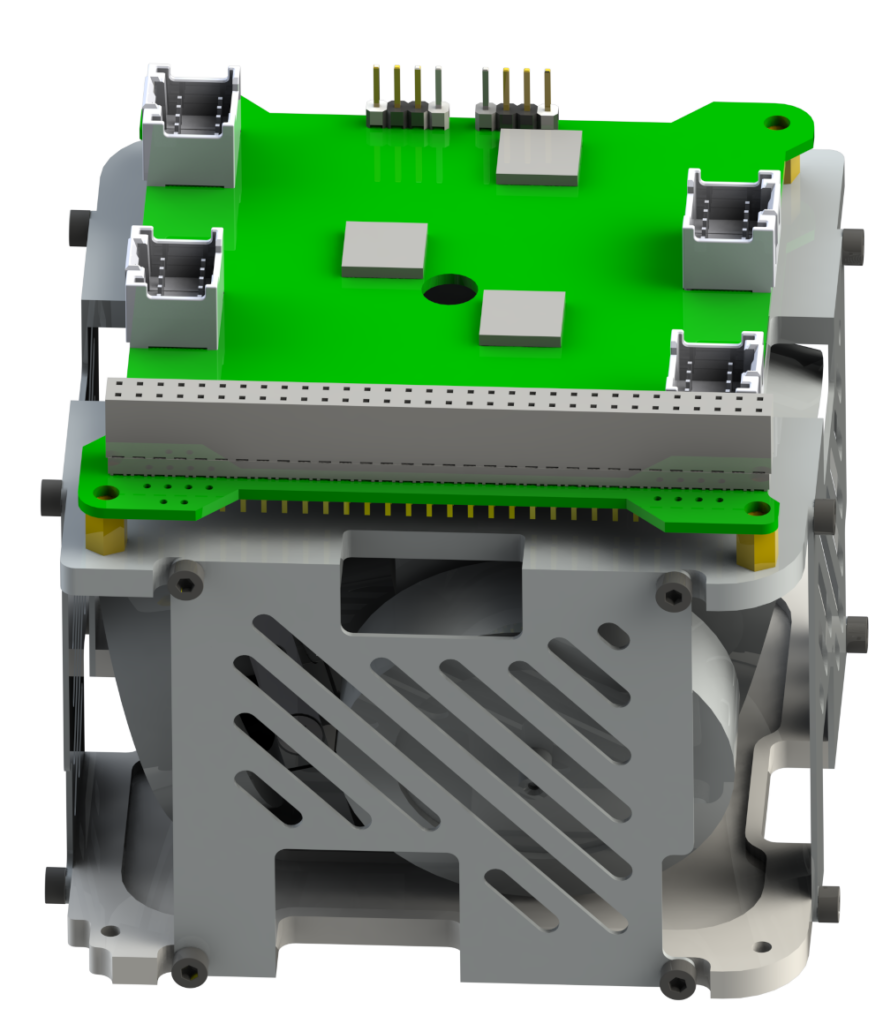
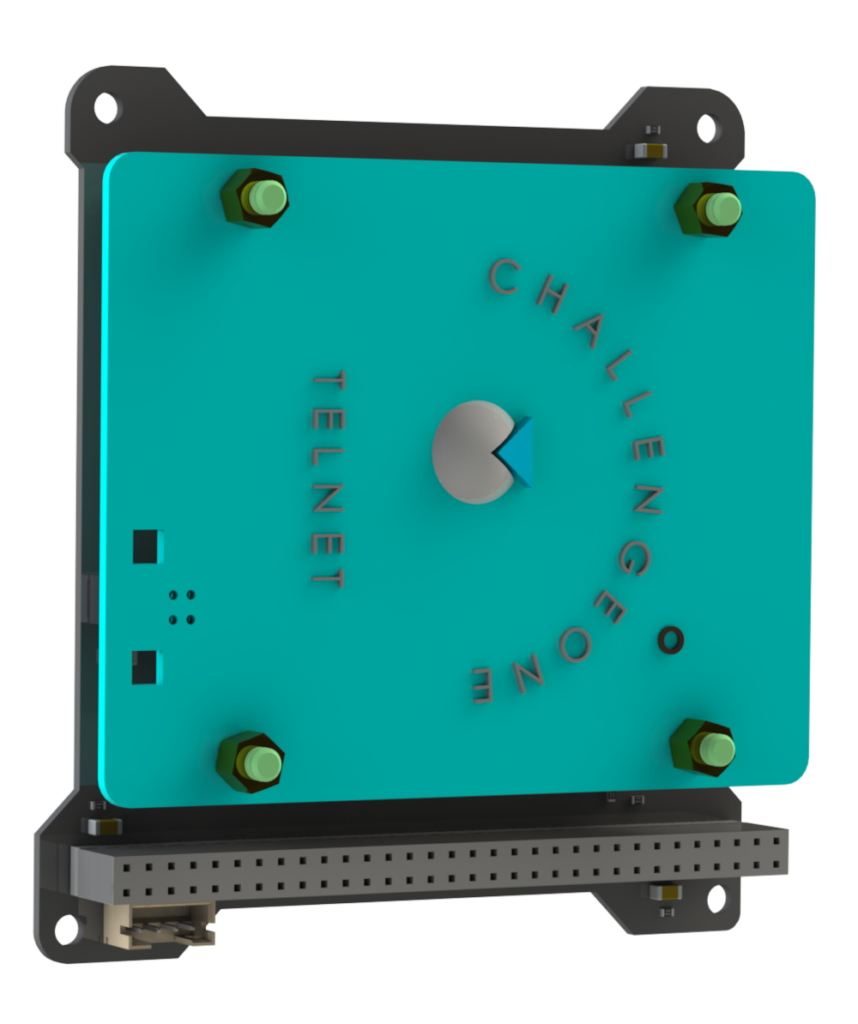
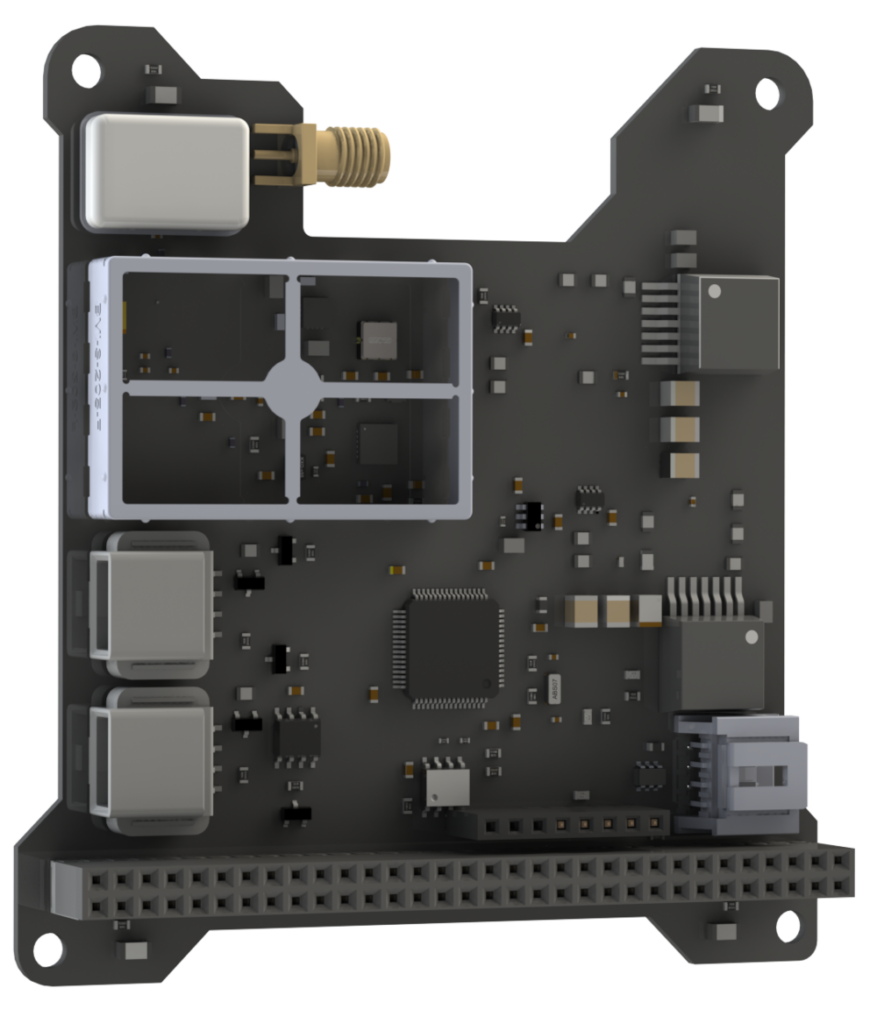
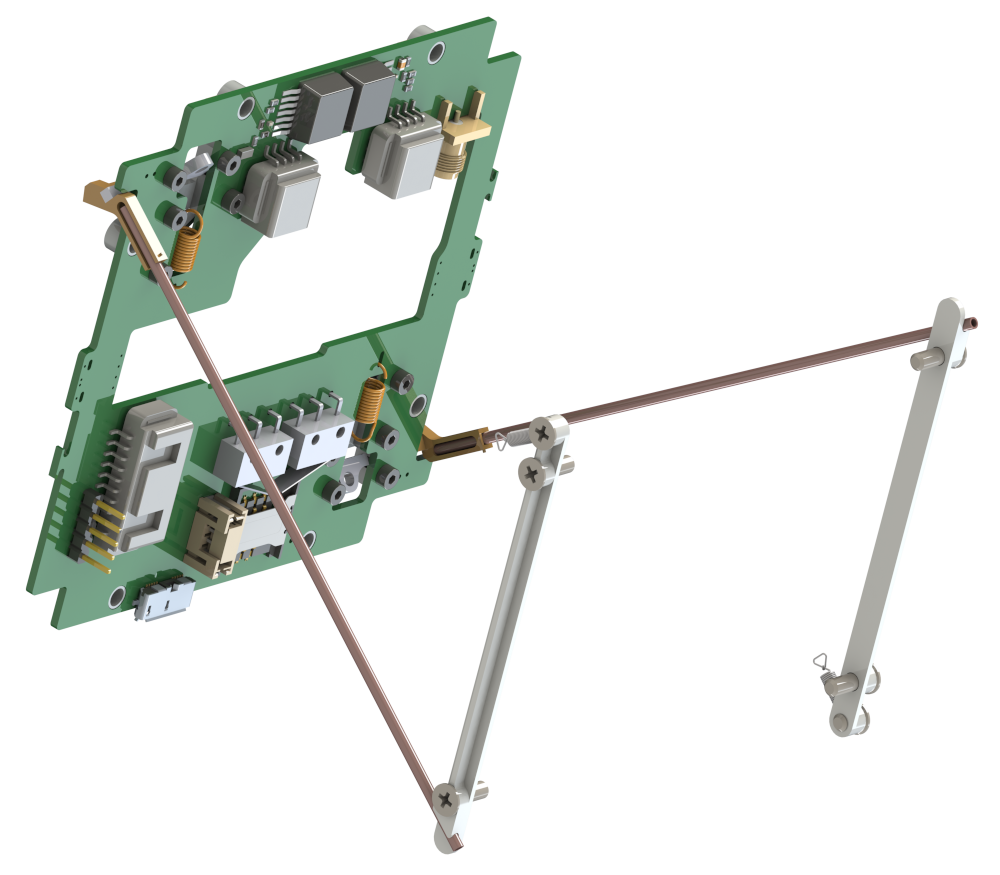
ChallengeOne is also marketed by Telnet as a configurable satellite platform brand: a kit-satellite built from interchangeable subsystem modules (structure, on-board computer, electrical power system, ADCS reaction wheel, LoRa gateway payload, software-defined radio, transceiver, UHF antenna system and a combined camera/antenna module) that can be assembled and operated either in a laboratory for educational purposes or flown in low Earth orbit for operational and scientific missions. The brand covers the full development path from module-level engineering to system integration, environmental testing and launch campaign support.
ChallengeOne demonstrated the viability of small-satellite IoT infrastructure for emerging space nations, establishing Tunisia as a space-faring country and paving the way for Telnet's broader space activities, including its subsequent partnership with Thales Alenia Space.
Milestones
-
2018 Cooperation agreement signed between Telnet, Aerospace Valley Toulouse and Technopole Sfax
-
2019 Telnet CEO Mohamed Frikha signs the launch contract for ChallengeOne, Tunisia's first satellite
-
2019 Telnet Group opens a branch in Russia
-
2021 ITU grants the operating license for ChallengeOne
-
2021 ChallengeOne handed over to the Russian launch provider at Baikonur
-
2021 ChallengeOne launched aboard Soyuz-2 from Baikonur into a 550 km LEO (20 March 2021)