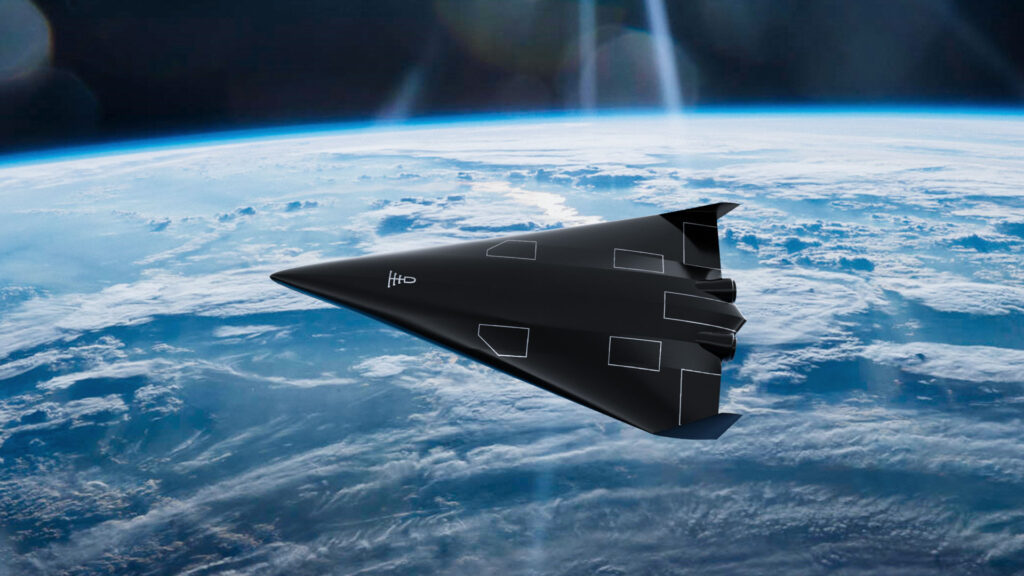
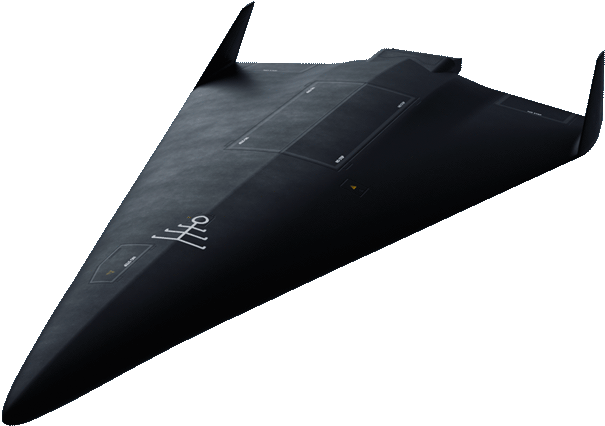
Aurora is POLARIS Raumflugzeuge's flagship two-stage, fully reusable spaceplane, designed for aircraft-like runway operations to deliver small/medium satellites to orbit and support hypersonic suborbital missions.
Aurora Light Spaceplane
Aurora is POLARIS Raumflugzeuge's flagship two-stage, fully reusable spaceplane, designed for aircraft-like runway operations to deliver small/medium satellites to orbit and support hypersonic suborbital missions.
Description
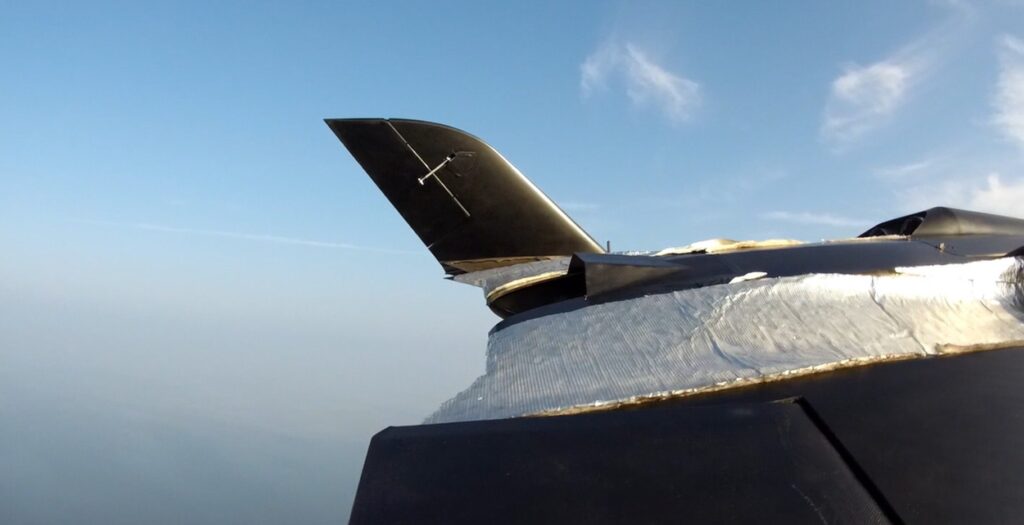
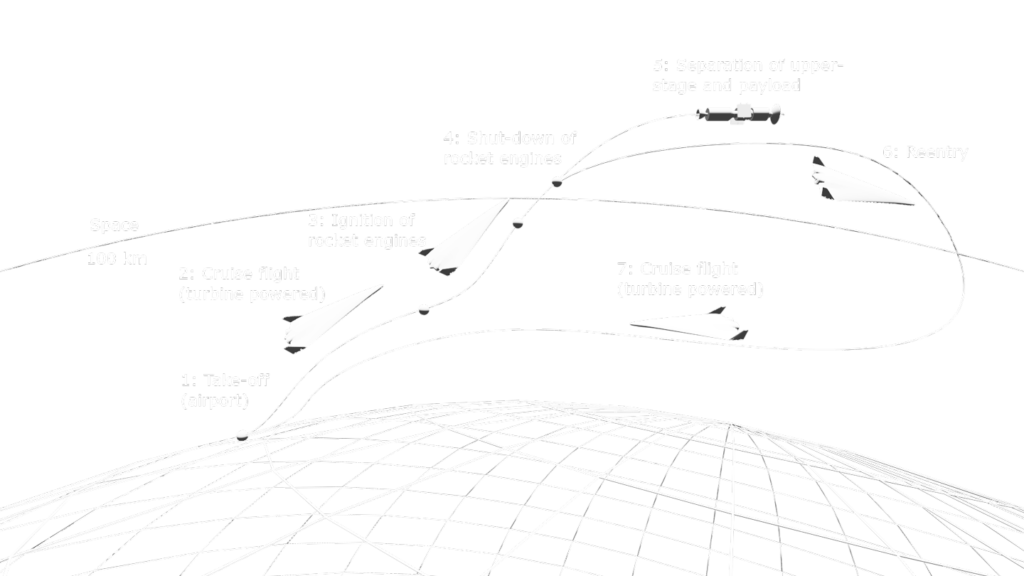
Aurora is a multipurpose spaceplane combining aircraft and rocket-launcher technology, developed by the German startup POLARIS Raumflugzeuge, drawing on more than 30 years of European spaceplane research originating at the German Aerospace Center (DLR). The vehicle is a two-stage horizontal-takeoff-and-landing system roughly 28 meters long: a reusable main stage powered by turbofan engines plus an aerospike engine carries a purely rocket-powered upper stage to release altitude, from which the upper stage completes ascent to orbit or suborbital apogee. Aurora is designed to take off and land on conventional airport runways, targeting 90-100% system reusability and mission turnarounds of under 24 hours. Target applications include small/medium satellite and orbital cargo launch, suborbital and hypersonic research, defense and reconnaissance missions, ultra-high-speed point-to-point transport, and eventually human suborbital spaceflight. As of mid-2026, Aurora itself is still in development and has not flown; POLARIS's flight heritage instead comes from a family of smaller scaled technology demonstrators, with the company reporting 7 scaled demonstrators built and flown, roughly 250 test flights, and 49 aerospike engine hot-fire tests completed to mature the propulsion and flight-control technology feeding into Aurora.
Specifications
| Length | ~28 meters |
|---|---|
| Stages | Two-stage (reusable turbofan+aerospike main stage; rocket-powered upper stage) |
| Orbital payload capacity | 1,000 kg to low Earth orbit |
| Suborbital payload capacity | up to 10,000 kg |
| Peak altitude | >100 km |
| Peak velocity | Mach >10 |
| Mission turnaround time | <24 hours |
| System reusability | 90-100% |
| Propulsion | Turbofan engines + proprietary aerospike engine (main stage); rocket engine (upper stage) |
| Takeoff/landing mode | Horizontal, conventional runway operations |
| Demonstrator flight heritage | 7 scaled demonstrators built and flown; ~250 test flights; 49 aerospike hot-fire tests |
| Targeted flight readiness | ~2027 (per public company statements) |