
Zephyr is a two-stage, 19-meter orbital microlauncher developed by French startup Latitude to deliver small satellites to LEO/SSO at low cost from the Guiana Space Centre.
Zephyr
Zephyr is a two-stage, 19-meter orbital microlauncher developed by French startup Latitude to deliver small satellites to LEO/SSO at low cost from the Guiana Space Centre.
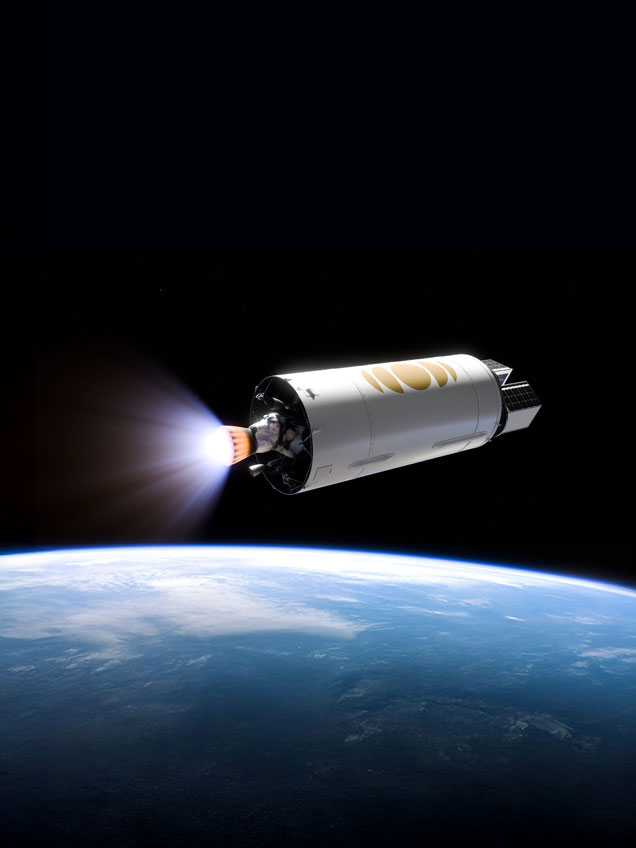
Description
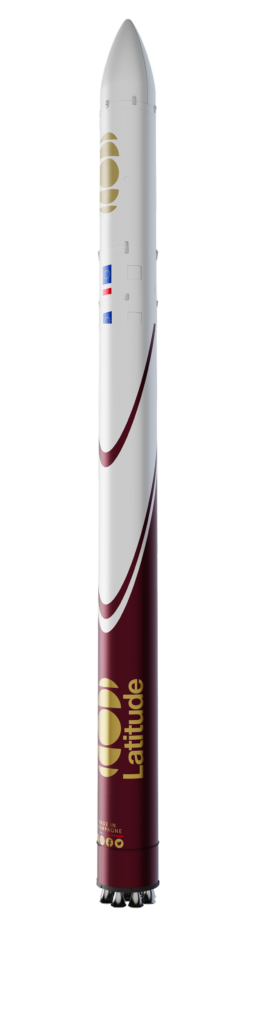
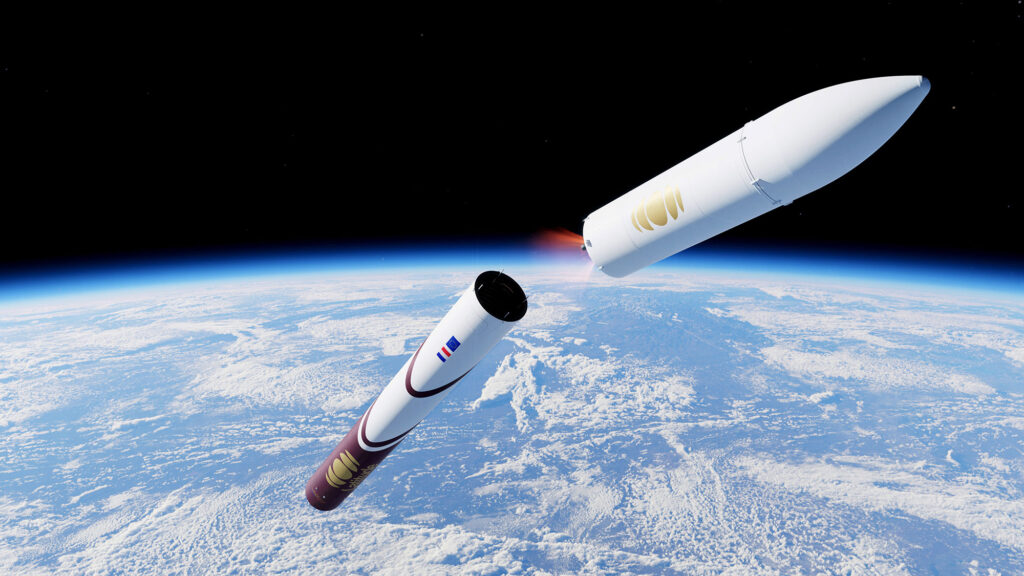
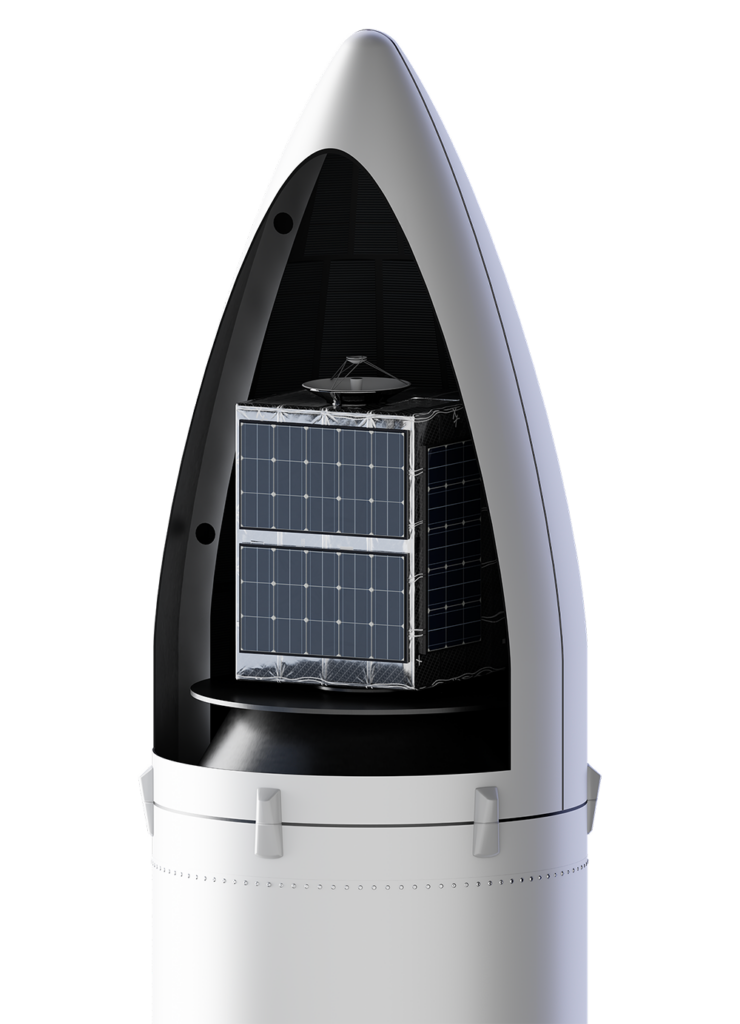
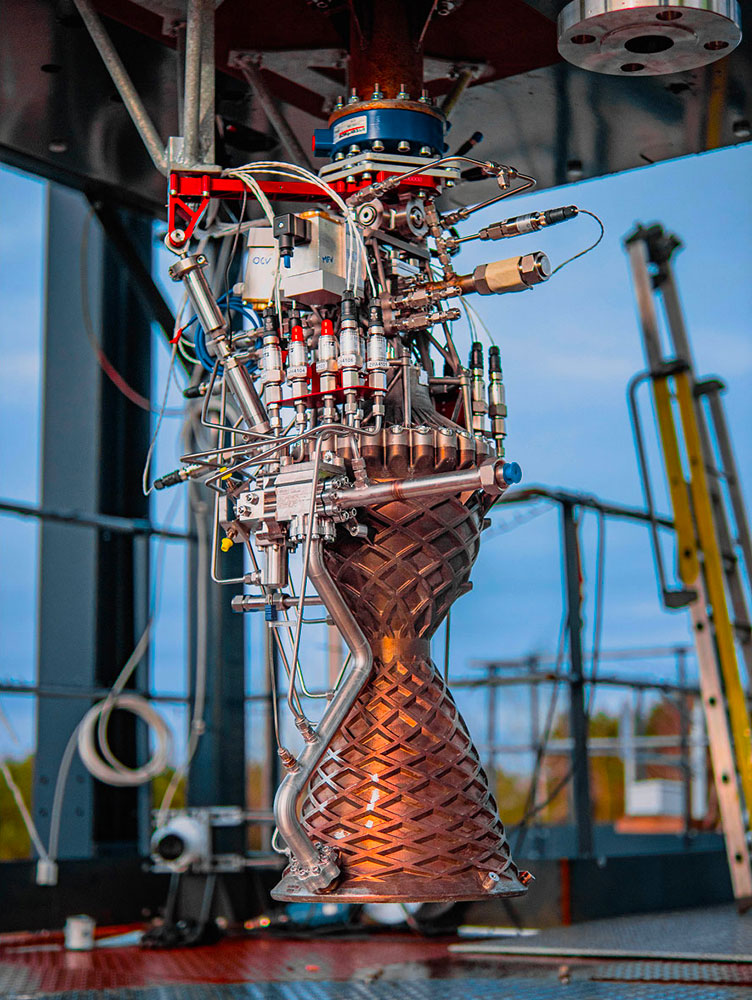
Zephyr is a dedicated small-satellite launch vehicle developed by Latitude, a French New Space company based in Reims, France (formerly known as Venture Orbital Systems). The rocket is a two-stage design measuring approximately 19 meters in length with a 1.5 meter diameter core. Both stages are powered by Latitude's in-house designed and 3D-printed Navier engines running on LOX/RP-1: the first stage uses a cluster of seven Navier sea-level engines, while the second stage uses a single vacuum-optimized engine paired with an Auxiliary Propulsion System for orbit circularization. Zephyr is designed to reach orbital inclinations from roughly 3.5 to 100.5 degrees. The vehicle targets the dedicated small-launch market. As of mid-2026, Zephyr has not yet flown; Latitude is completing qualification testing of the Navier engines at its Titan Research & Test site near Reims. The company is building launch infrastructure at the refurbished Diamant launch pad at the Guiana Space Centre in Kourou, French Guiana, with a maiden orbital demonstration flight targeted for later in 2026, with CNES confirmed as the first commercial customer.
Specifications
| Length | 19 m |
|---|---|
| Diameter | 1.5 m |
| Stages | 2 |
| Stage 1 engines | 7x Navier sea-level engines |
| Stage 2 engines | 1x Navier vacuum engine + Auxiliary Propulsion System |
| Propellant | LOX / RP-1 |
| Payload to LEO | up to 200 kg |
| Orbit inclination range | 3.5° to 100.5° |
| Launch site | Guiana Space Centre (Diamant pad), Kourou, French Guiana |
| Flight status (mid-2026) | No orbital flights yet; engine qualification underway, maiden orbital launch targeted for 2026 with CNES as first customer |