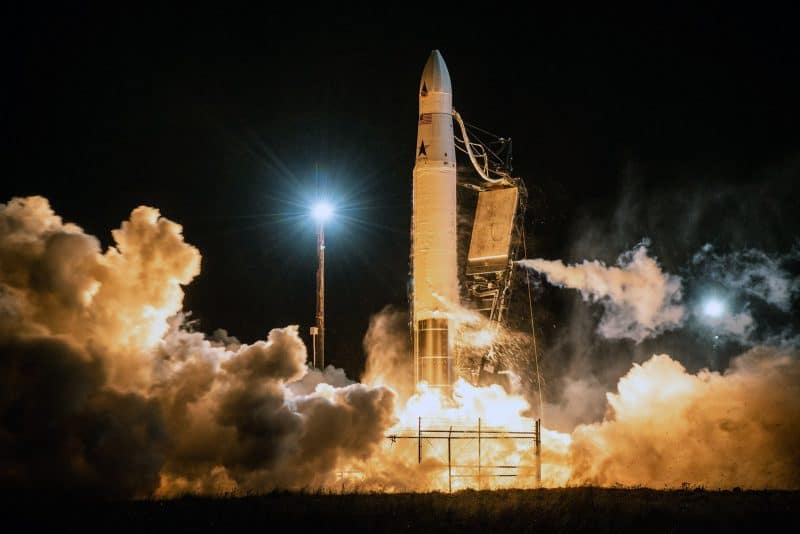

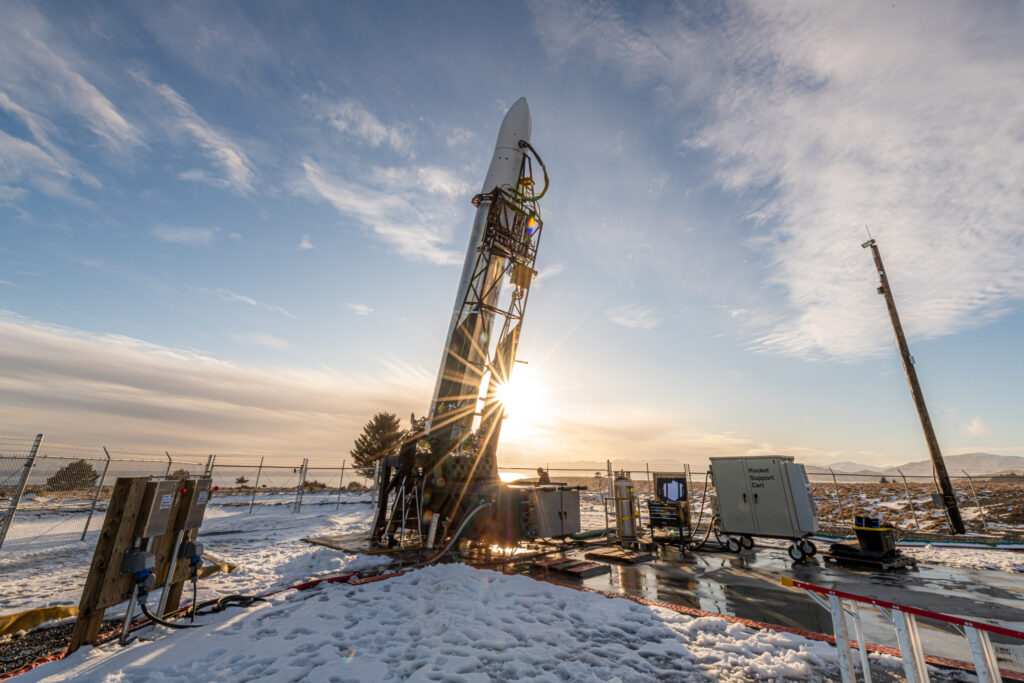
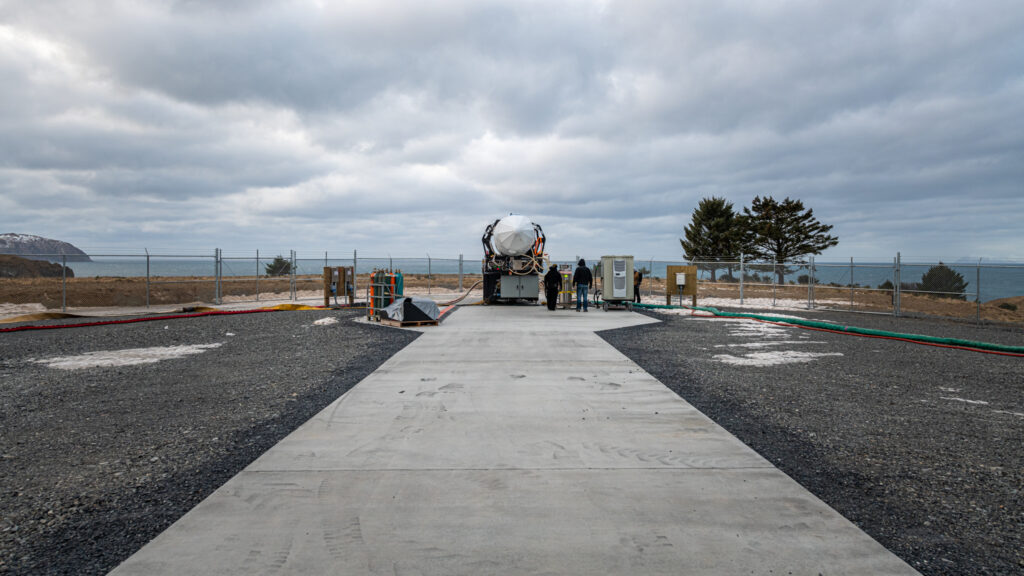
Astra Space's next-generation small-satellite launch vehicle designed to deliver roughly 1 tonne to LEO from mobile, containerized launch systems, succeeding the retired Rocket 3.3.
Rocket 4
Astra Space's next-generation small-satellite launch vehicle designed to deliver roughly 1 tonne to LEO from mobile, containerized launch systems, succeeding the retired Rocket 3.3.
Description
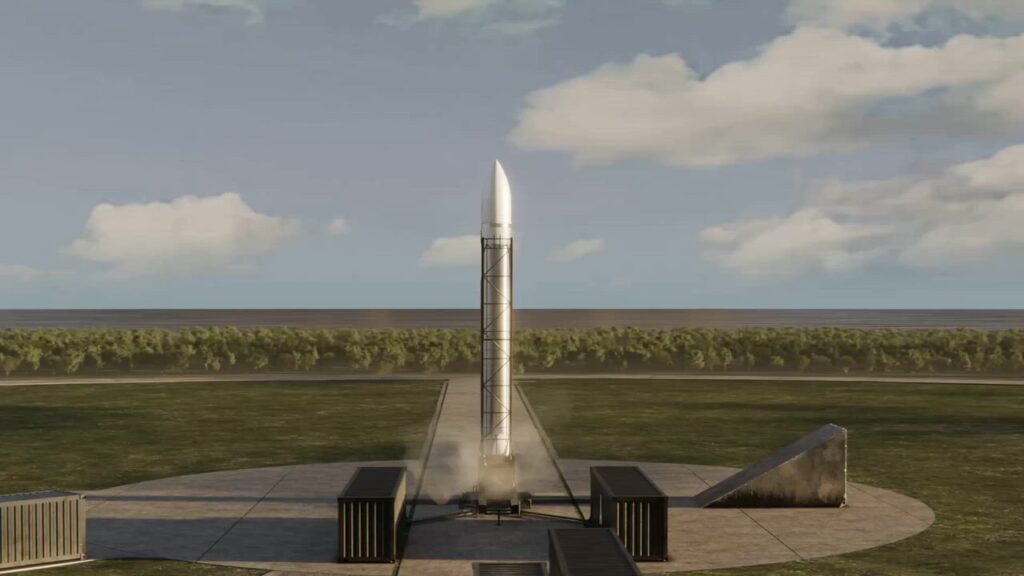
Rocket 4 is Astra Space's second-generation orbital launch vehicle, developed after the company retired the smaller Rocket 3.3 following its mixed flight record. Unlike Rocket 3.3's electric-pump-fed engines, Rocket 4 is a much larger, all-new design using conventional turbopump-fed LOX/RP-1 engines: two Chiron engines (derived from Firefly's Reaver engine) on the first stage producing roughly 70,000-80,000 lbf combined thrust, and a single Ursa Major Hadley ITV engine on the second stage producing about 6,500 lbf of vacuum thrust. The two-stage rocket stands about 62 feet tall with a 72-inch diameter and a liftoff mass around 66,000 lb. It targets carrying roughly 550-750 kg initially, growing toward a 1-tonne payload to mid-inclination LEO, at a target price around $5 million per dedicated launch. Rocket 4 and its launch mount are designed to fit within standard shipping containers, enabling rapid, tactically responsive deployment from distributed spaceports (Cape Canaveral, FL; Kodiak, AK; planned Saxavord, UK), targeting the U.S. Department of Defense's responsive space market and commercial small-satellite operators. As of mid-2026, Rocket 4 has not yet flown; Astra is targeting a first test flight in summer 2026 from Cape Canaveral SLC-46, with a DoD Space Test Program mission expected in fall 2026.
Specifications
| Height | 62 ft (18.9 m) |
|---|---|
| Diameter | 72 in (1.8 m) |
| Stages | 2 |
| Liftoff mass | ~66,000 lb |
| First stage engines | 2x Chiron (derived from Firefly Reaver), combined ~70,000-80,000 lbf thrust |
| Second stage engine | 1x Ursa Major Hadley ITV, ~6,500 lbf vacuum thrust |
| Propellants | LOX / RP-1 |
| Payload to LEO | ~550-750 kg initially, targeting 1 tonne to mid-inclination LEO |
| Launch sites | Cape Canaveral SLC-46, FL; Kodiak, AK; planned Saxavord, UK |
| Flight heritage/status | 0 orbital launches to date as of mid-2026; ground/qualification testing underway; first test flight targeted summer 2026, DoD Space Test Program mission targeted fall 2026 |